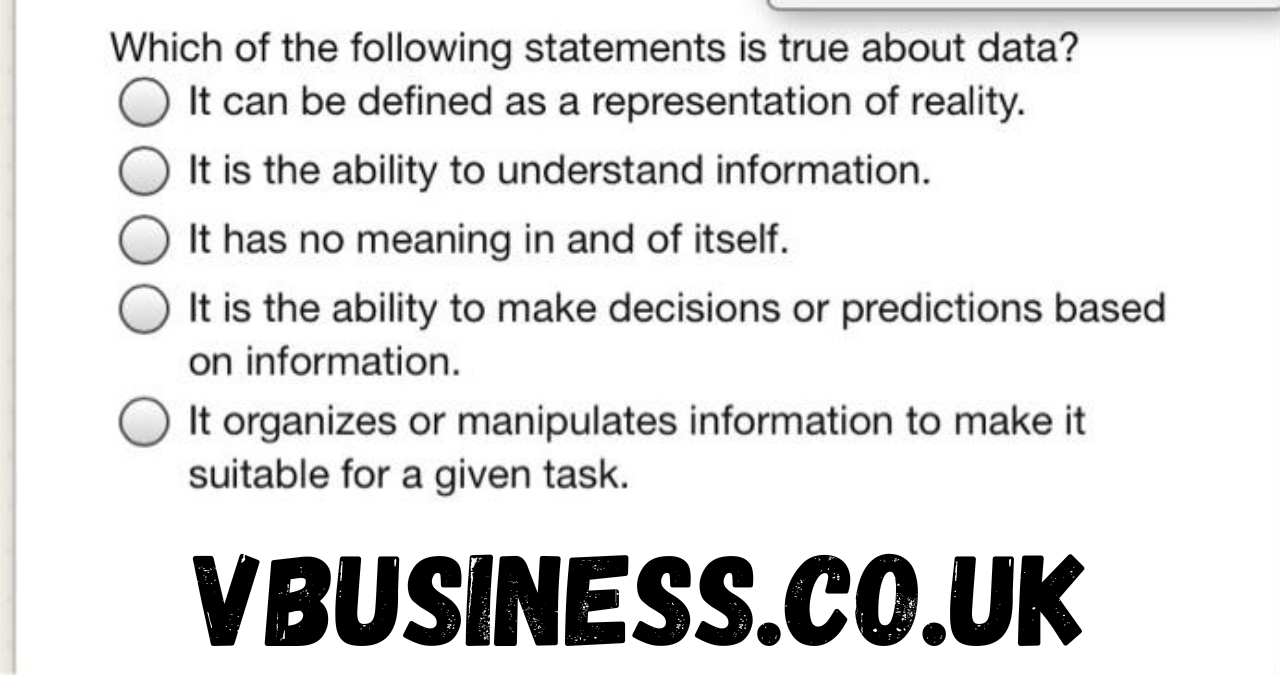
Have you ever come across the phrase “which of the following statements is true?” and felt unsure about what it’s really asking? This simple question appears in exams, interviews, logic puzzles, and even casual conversations — yet it often leaves people second-guessing themselves. At first glance, it seems like a straightforward query, but its meaning depends heavily on context and interpretation.
Understanding how to approach a question like this can sharpen your reasoning, improve your decision-making, and even enhance your critical thinking skills. Whether you’re preparing for a test or just love understanding how questions are structured, diving deeper into what this phrase truly represents will give you a new perspective on logic and truth.
Which of the Following Statements Is True – The Core Concept
When someone asks “which of the following statements is true?”, they’re essentially challenging your ability to distinguish truth from falsehood. It’s not just about picking a random correct answer; it’s about evaluating multiple possibilities with reason and clarity. This question tests your comprehension, logic, and sometimes, your attention to detail.
In educational settings, this phrase is widely used because it forces students to slow down and think critically. Teachers often frame multiple-choice questions this way to see if you can identify accurate information amid distractions. It trains your brain to notice small details and to understand why one statement might be valid while others are misleading or partially incorrect.
Which of the Following Statements Is True – A Logical Perspective
From a logical point of view, this phrase requires both analysis and deduction. To determine which of the following statements is true, you must first understand the meaning of each option and then compare them carefully. Sometimes, all the statements might sound correct, but subtle contradictions can reveal the truth. This process enhances your analytical thinking and problem-solving abilities.
In real-world scenarios, logic helps us differentiate between truth and assumption. When you practice identifying true statements, you become better at evaluating news, social media posts, or even workplace information. In an era filled with misinformation, the ability to find what’s true among multiple options isn’t just academic—it’s an essential life skill
Which of the Following Statements Is True – Real-Life Applications
You might think this question only belongs in classrooms or tests, but in reality, it applies to daily life. Whether you’re comparing product reviews, choosing between job offers, or verifying facts, you’re constantly deciding which of the following statements is true in your own mind.
For example, imagine reading online reviews where some claim a phone’s battery lasts ten hours, while others say it drains quickly. The truth lies in careful evaluation—understanding user context, reading multiple opinions, and comparing data. That’s how you apply this logical framework outside of textbooks.
The Role of Critical Thinking in Identifying Truth
Critical thinking is your greatest ally when it comes to spotting the truth. It’s not enough to accept information at face value; you must question, analyze, and validate. Every time you face multiple statements, you’re being tested on how well you can separate fact from opinion.
The art of reasoning helps you uncover hidden meanings and avoid being misled. Whether it’s a business decision or a casual debate, learning to evaluate evidence objectively will help you make smarter, more confident choices. In essence, truth-seeking begins with curiosity and ends with clarity.
The Psychology Behind True or False Statements
There’s an interesting psychological side to this type of question. Human brains are naturally drawn to confirmation bias — the tendency to believe what aligns with our existing opinions. That’s why which of the following statements is true can be tricky; our minds may unconsciously favor the statement we want to be true rather than the one that is true.
To overcome this, it helps to approach such questions with neutrality. Instead of reacting emotionally, pause and think logically. Ask yourself, “What evidence supports this?” and “Is there proof against it?” That small shift in mindset can turn uncertainty into understanding.
Common Mistakes People Make
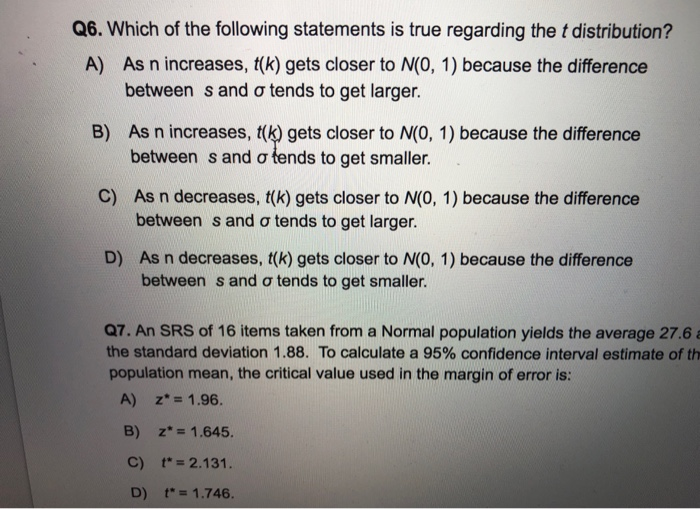
A common mistake is assuming that the most detailed or complex statement must be true. In many cases, the simplest and most direct answer is the correct one. People often overthink, trying to find hidden meanings when the truth is right in front of them.
Another error is ignoring key words. Examiners often use subtle language differences to test your focus. A single word like “always,” “never,” or “only” can completely change a statement’s truth value. That’s why careful reading is as important as logical thinking.
How Educators Use This Phrase in Exams
Educators love using which of the following statements is true because it evaluates both knowledge and reasoning. It doesn’t just test memorization—it assesses comprehension. Students must analyze each option, understand concepts deeply, and eliminate false or misleading statements.
In standardized tests or competitive exams, this format helps distinguish between those who merely studied and those who truly understood the topic. It’s a fair and balanced way to test intellectual depth and clarity of thought.
Practical Steps to Identify True Statements
To get better at answering such questions, start by reading all options completely before deciding. Don’t rush to conclusions after seeing one that “sounds right.” Many times, test-makers include statements that appear correct but have slight factual errors.
Next, try a process of elimination. Cross out statements that you know are definitely false. This narrows down your options and increases your chances of picking the correct one. Finally, double-check your reasoning to ensure it aligns with factual evidence.
Importance of Context in Determining Truth
Truth is rarely absolute without context. A statement can be true in one situation and false in another. For instance, “Water boils at 100°C” is true at sea level but false at high altitudes. That’s why understanding context is crucial when deciding which of the following statements is true.
Context shapes interpretation. In exams, context might come from the paragraph before the question. In life, it could depend on timing, environment, or perspective. The ability to recognize context gives you a powerful advantage in distinguishing real truth from half-truths.
Truth Versus Opinion – Knowing the Difference
It’s easy to confuse opinions with facts, especially when statements sound convincing. But truth is based on evidence, while opinion reflects belief. When asked which of the following statements is true, you’re not being asked what you think is right — you’re being asked what can be proven.
Developing this distinction helps in everyday decisions too. From reading the news to discussing current events, identifying what’s factual strengthens your credibility and prevents misinformation from spreading. Truth isn’t always loud, but it’s always consistent.
The Ethical Side of Truth-Seeking
Seeking truth isn’t just about being right—it’s about being responsible. When we care about what’s true, we contribute to honesty in communication and trust in relationships. The phrase which of the following statements is true reminds us that truth matters, even in small things.
Being truthful also builds integrity. In workplaces or classrooms, people who prioritize accuracy and honesty earn respect. Ethical truth-seeking isn’t about proving others wrong—it’s about valuing correctness over convenience.
How Technology Tests Truth Today
Modern technology uses algorithms that constantly determine which of the following statements is true on a massive scale. Fact-checking websites, AI systems, and digital assistants all rely on logic to verify data. These systems analyze sources, cross-reference facts, and identify misinformation automatically.
However, even advanced technology isn’t perfect. Human oversight is still needed to interpret nuances, tone, and context. Understanding how machines evaluate truth can help us see both the power and the limits of technology in our information-driven world.
Building a Habit of Truth Evaluation
The more you practice identifying true statements, the more naturally it comes to you. Make it a habit to question claims before accepting them. Read beyond headlines, verify sources, and think critically. That’s how you train your brain to process truth instinctively.
Over time, this mindset improves your personal and professional life. It leads to better decisions, fewer misunderstandings, and stronger confidence in your own judgment. Truth-seeking isn’t just a skill—it’s a lifestyle.
How to Use This Approach in Communication
When communicating, being able to identify and share true statements makes you more persuasive and trustworthy. People are drawn to those who speak with accuracy and integrity. It’s not about sounding smart—it’s about being clear and factual.
Before presenting information, always verify it. Whether you’re writing an email, report, or speech, apply the same reasoning you’d use when answering which of the following statements is true. This approach ensures your words carry weight and reliability.
Conclusion – The Value of Truth in Every Choice
At its core, the question “which of the following statements is true?” teaches us far more than how to answer a test. It reminds us of the importance of truth in all areas of life. Truth is the foundation of trust, progress, and understanding.
By learning how to identify true statements logically, you develop not only sharper reasoning but also stronger integrity. Whether in academics, career, or daily life, truth remains the most valuable guide we have. And that’s what makes mastering this simple question so powerful.
FAQs
Q1: Why is the phrase “which of the following statements is true” commonly used in exams?
It’s used because it effectively tests both comprehension and reasoning. It ensures students truly understand a concept rather than memorizing facts.
Q2: How can I quickly identify the true statement in a multiple-choice question?
Read all options first, eliminate those that are clearly false, and analyze the remaining ones carefully. Pay attention to detail and context.
Q3: What’s the biggest mistake people make with these questions?
Many people rush their answer or focus on the most complicated statement, assuming it must be correct. In reality, the simplest answer is often true.
Q4: How can this skill help in real life?
It helps you think critically, verify information, and make decisions based on truth rather than assumptions or emotions.
Q5: Is there a difference between being right and finding truth?
Yes. Being right is personal; finding truth is universal. Truth stands on evidence, not opinion.