
Starting a business as a sole trader accountant is one of the quickest and simplest ways to become self-employed in the UK. Whether you’re a freelance designer, electrician, online seller, consultant, or dog groomer, the appeal is obvious. There’s less paperwork, fewer rules, and more flexibility compared to running a limited company.
Still, many new business owners underestimate the importance of proper sole trader accounting. They assume it only matters when tax season arrives. That’s usually when the panic begins—missing receipts, forgotten invoices, and confusion about what can actually be claimed as an expense.
Good accounting habits make life far easier. They help you stay on top of things, avoid HMRC penalties, improve cash flow, and understand whether your business is genuinely making money.
If you’re new to self-employment or simply want to tighten up your finances, this guide covers the essentials in plain English.
What Is Sole Trader Accounting and Why Is It Simpler Than a Limited Company?
Sole trader accounting is the process of managing your business finances as a self-employed individual. Because you and the business are legally the same entity, the accounting requirements are much simpler than those of a limited company.
With a limited company, there are extra responsibilities such as:
- Filing annual accounts with Companies House
- Managing corporation tax
- Running payroll systems
- Keeping director records
- Submitting confirmation statements
A sole trader avoids most of that admin.
Instead, your main responsibilities are usually:
- Recording income and expenses
- Keeping accurate financial records
- Filing a self-assessment tax return
- Paying Income Tax and National Insurance
That simplicity is exactly why many people start as sole traders before considering incorporation later.
You also have complete control over your profits. Money earned by the business belongs directly to you after tax. There’s no need to pay yourself through dividends or salaries.
That said, simpler doesn’t mean you can ignore the numbers. HMRC still expects accurate records and timely tax payments.
Why Good Accounting Matters
Many sole traders only look at their finances when the tax deadline approaches. That approach creates unnecessary stress.
Keeping your accounts updated throughout the year helps you:
- Track profit properly
- Prepare for tax bills
- Monitor cash flow
- Spot overspending early
- Avoid late filing penalties
- Understand business growth
Accounting also helps with pricing decisions. If your workload is increasing but profits remain low, your figures may reveal that your rates need adjusting.
A clear financial picture gives you confidence. Instead of guessing, you know where your business stands.
Key Deadlines You Cannot Miss
Missing HMRC deadlines can become expensive very quickly. Even small delays may trigger penalties and interest charges.
The most important date for sole traders is:
Self-Assessment Deadline — 31st January
If you file your tax return online, both your return and payment are usually due by 31st January following the end of the tax year.
For example:
- Tax year ends: 5th April
- Online filing deadline: 31st January
- Tax payment deadline: 31st January
This date catches a lot of people out, as it is just after Christmas when cash flow can already feel quite tight.
There are other deadlines worth remembering to:
- 5th October—Register for self-assessment if newly self-employed
- 31st October — Deadline for paper tax returns
- 31st July — Second payment on account deadline (if applicable)
A few missed deadlines can create a cycle of penalties that becomes frustrating and costly.
Simple ways to stay on top of deadlines include:
- Setting calendar reminders
- Using accounting software alerts
- Working with an accountant
- Putting aside tax money monthly
Many sole traders transfer a percentage of each payment received into a separate savings account to avoid surprises later.
What Business Expenses Can You Legally Claim to Save Tax?
One of the biggest advantages of proper sole trader accounting is reducing your taxable profit through allowable expenses.
An allowable expense is a cost that is wholly and exclusively related to running your business.
Claiming legitimate expenses means you only pay tax on actual profit rather than total income.
Here are some common expenses sole traders can usually claim.
Office and Home Working Costs
If you work from home, you may claim part of the following:
- Electricity
- Heating
- Internet bills
- Council Tax
- Rent or mortgage interest
Many people use HMRC’s simplified home-working allowance to make calculations easier.
Travel Expenses
Business-related travel is usually claimable, including the following:
- Fuel costs
- Train fares
- Parking fees
- Taxi journeys
- Hotel stays for work trips
Commuting from home to a permanent workplace generally does not count.
Keeping mileage logs is essential if you use your personal vehicle for business.
Equipment and Tools
You can claim for things you need to run the business, such as:
- Laptops
- Mobile phones
- Cameras
- Tools
- Office furniture
- Printers
If an item is used partly for personal reasons, only the business portion can usually be claimed.
Marketing and Advertising
Promoting your business is a legitimate expense.
Examples include:
- Website hosting
- Social media advertising
- Business cards
- SEO services
- Paid online ads
- Logo design
Marketing costs can add up quickly, so tracking them properly matters.
Professional Services
Many sole traders claim expenses for:
- Accountants
- Bookkeepers
- Solicitors
- Business insurance
- Software subscriptions
These costs directly support the running of the business.
Do You Need a Separate Business Bank Account?
Legally, sole traders are not required to have a separate business bank account.
You can technically use your personal account for business transactions.
That said, it’s rarely a good idea.
Mixing personal and business spending quickly creates confusion. Trying to identify business expenses months later becomes a headache, especially during tax season.
A dedicated account makes accounting much cleaner.
Benefits of having a separate business bank account include:
- Easier bookkeeping
- Better expense tracking
- Cleaner bank statements
- Faster tax return preparation
- Improved professionalism
- Simpler cash flow monitoring
Clients often take businesses more seriously when payments go into a business-branded account rather than a personal one.
Many UK banks now offer low-cost or app-based business banking designed specifically for sole traders and freelancers.
Even if you’re only earning part-time income, separating finances early creates better habits for long-term growth.
Should You Use Accounting Software?
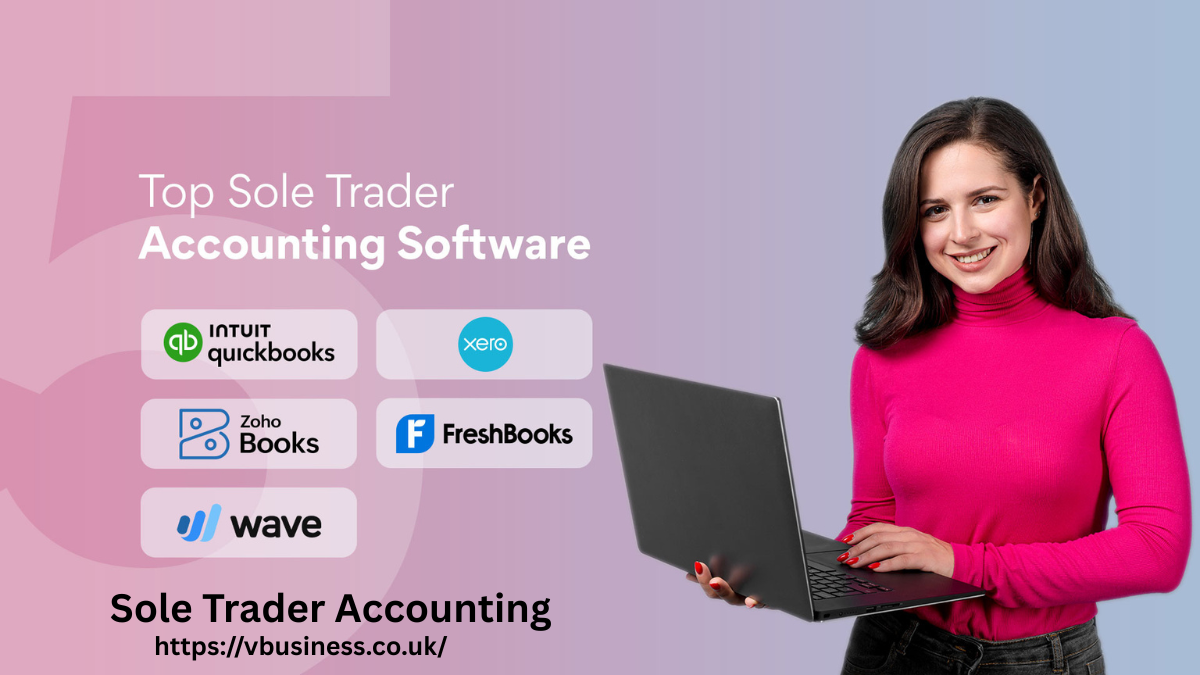
Spreadsheets still work for some people, but accounting software saves time and reduces mistakes.
Popular features include:
- Invoice creation
- Receipt scanning
- Bank syncing
- Tax estimates
- Expense tracking
- Profit reports
Cloud-based systems also help prepare for Making Tax Digital changes introduced by HMRC.
Good software can turn accounting from a stressful annual task into a simple weekly routine.
Common Sole Trader Accounting Mistakes
Even experienced business owners make avoidable errors.
Some of the most common include the following:
- Forgetting to save receipts
- Missing tax deadlines
- Underestimating tax bills
- Mixing business and personal spending
- Failing to track cash flow
- Ignoring small expenses
Small mistakes build over time. Staying organized throughout the year prevents most accounting problems before they start.
Final Thoughts
Sole trader accounting doesn’t need to feel complicated or intimidating. From the beginning, it’s important to stay organized and consistent.
Keeping proper records, understanding allowable expenses, preparing for HMRC deadlines, and separating finances properly will save you a huge amount of stress later.
Many successful businesses started with a single person working as a sole trader. Strong accounting habits create the foundation for long-term growth, better profits, and smoother day-to-day operations.
You May Also Read: Inkedlady666: Exploring the Digital Persona Behind a Bold Online Identity