

The Mexican flag is more than just a national emblem—it’s a living symbol of identity, pride, and resilience. For centuries, it has represented the struggles, victories, and unity of the Mexican people. Every fold of the flag carries a story, one that connects modern Mexico to its ancient civilizations and revolutionary past. When it waves in the wind, it speaks of courage, sacrifice, and the eternal pursuit of freedom.
The design of the Mexican flag didn’t appear overnight. It evolved from centuries of political change, cultural integration, and the blending of indigenous and European influences. The green, white, and red tricolor has come to embody values that every citizen holds dear—hope, purity, and the blood of national heroes who fought for independence. From the Aztec Empire to the formation of the modern republic, the flag has always stood as a powerful reminder of Mexico’s enduring strength and unity.
The Mexican Flag: Colors That Tell a Nation’s Story
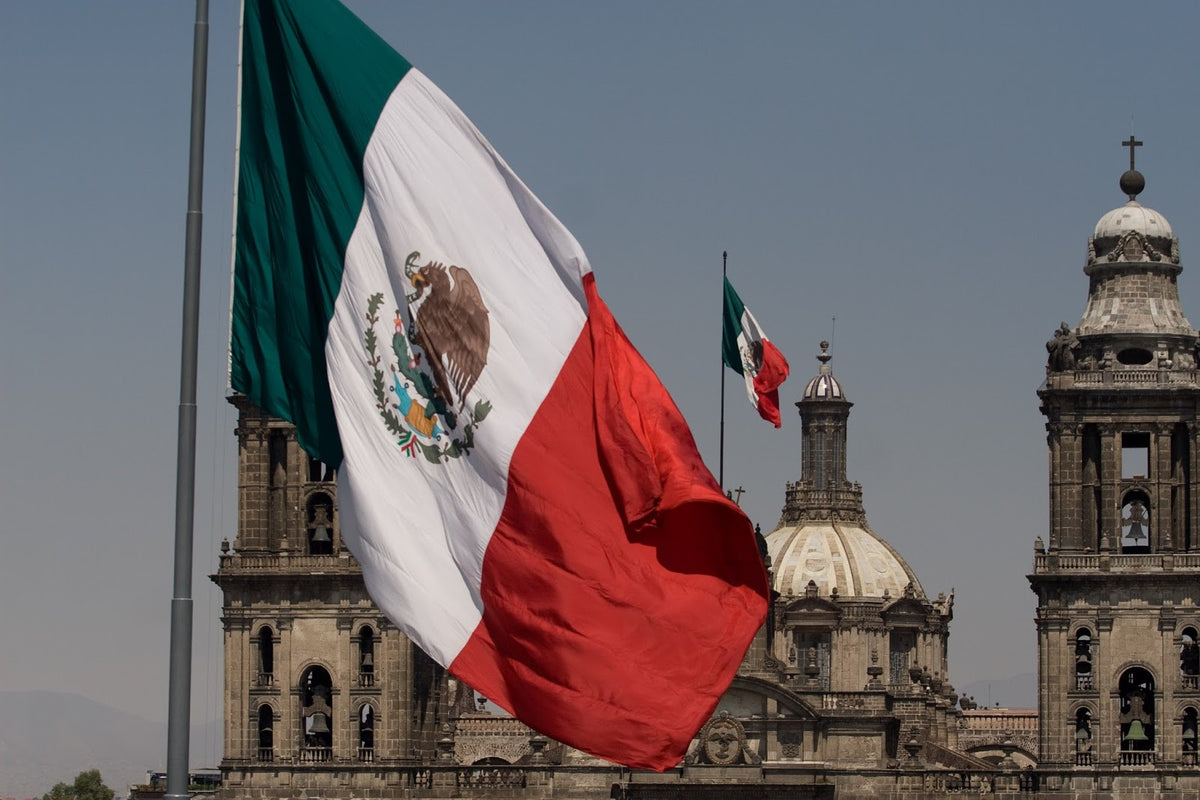
Each color on the Mexican flag carries deep meaning and symbolism. The green stripe stands for hope and independence, a reflection of the country’s unyielding spirit in striving for a better future. The white stripe symbolizes purity, unity, and peace—values that bind Mexico’s diverse people and cultures together. The red stripe honors the bravery and blood of those who fought for freedom, ensuring that their sacrifices would never be forgotten.
These three colors have stood the test of time and continue to inspire millions. Whether displayed during national holidays or international events, the flag reminds every Mexican of where they came from and what they stand for. The colors are not merely decorative—they represent a collective identity that resonates deeply in every corner of the country, from bustling cities to quiet rural villages.
The Mexican Flag’s Eagle: A Symbol Rooted in Legend
At the heart of the Mexican flag lies one of the most captivating national symbols—the golden eagle perched on a prickly pear cactus, clutching a serpent in its beak. This image is inspired by an ancient Aztec legend. According to the story, the Aztecs were searching for a sign from their gods that would reveal where to build their new city. They were told to look for an eagle devouring a snake atop a cactus growing from a rock. When they finally found this vision on a small island in Lake Texcoco, they founded Tenochtitlán—the capital of the Aztec Empire and modern-day Mexico City.
This legend isn’t just folklore; it represents strength, resilience, and destiny. The eagle’s presence on the Mexican flag ties the modern nation to its ancestral past, bridging centuries of history. It’s a visual reminder that Mexico’s greatness was not inherited but earned through endurance, faith, and unity. The symbol of the eagle devouring a serpent continues to inspire generations, standing proudly at the center of the flag as a sign of courage and triumph over adversity.
Cultural Pride Reflected Through the Flag
The Mexican flag has become a cornerstone of national identity, connecting citizens both at home and abroad. For many, it’s not just a national emblem but a reflection of personal pride. During holidays like Independence Day or Constitution Day, the flag is displayed on buildings, homes, and public spaces across the country. It becomes a unifying force, reminding people of their shared heritage and the values that make Mexico unique.
Beyond national borders, the flag also serves as a powerful symbol for Mexicans living around the world. Whether in the United States, Europe, or elsewhere, seeing the flag instantly evokes a sense of belonging and nostalgia. It tells a story of perseverance and pride, allowing people to carry a piece of Mexico with them wherever they go.
How the Flag Has Evolved Over Time
The journey of the Mexican flag is as fascinating as the history it represents. Over the years, its design has undergone several transformations, reflecting changes in political power and social ideals. Early versions during the independence movement featured different arrangements of colors and symbols, influenced by the flags of European nations and revolutionary forces. However, as Mexico matured as a nation, it developed its own distinct identity—one that the modern flag perfectly captures.
In 1821, following independence from Spain, the official tricolor of green, white, and red was adopted. The eagle and serpent were included to honor indigenous roots, making the flag a perfect blend of ancient symbolism and modern ideals. Today’s design was officially confirmed in the mid-20th century, ensuring that every element—from the eagle’s feathers to the cactus at its feet—reflects Mexico’s cultural richness and historical depth.
The Flag in Everyday Mexican Life
For Mexicans, the flag isn’t just a political or ceremonial object—it’s an integral part of everyday life. It can be seen flying over schools, government buildings, and military bases, as well as in the homes of proud citizens. The respect it commands is unmatched, and it is always treated with the utmost reverence. Raising and lowering the flag is done with great care, often accompanied by the national anthem as a sign of respect.
Children learn about the flag’s meaning from an early age, participating in flag ceremonies at school to understand its importance. This early education fosters a sense of patriotism and appreciation that lasts a lifetime. The flag is also present in sports events, cultural celebrations, and festivals—anywhere that Mexican pride is on display.
The Artistic Influence of the Flag
Artists, designers, and creators across Mexico have drawn endless inspiration from the flag’s imagery. Its colors and symbols appear in paintings, murals, textiles, and even fashion. Legendary artists like Diego Rivera and José Clemente Orozco incorporated national symbols into their works to celebrate Mexico’s identity and history. The flag’s presence in art reminds people that it’s more than a political symbol—it’s a canvas of cultural expression.
In modern design, the flag’s tricolor scheme is often used to represent Mexican authenticity. Whether in branding, architecture, or contemporary art, these colors instantly evoke feelings of pride and connection. This visual language extends beyond borders, helping to promote Mexican culture worldwide through art, music, and film.
The Flag’s Role in National Celebrations
Few sights are as moving as watching the Mexican flag unfurl during a national celebration. On Independence Day, for instance, the president leads the “Grito de Dolores” from the National Palace, ringing a bell and waving the flag as citizens across the country cheer with pride. It’s a moment that encapsulates the spirit of unity, courage, and freedom.
The flag is also central to military parades, public ceremonies, and cultural events. Every time it’s raised, it serves as a reminder of the nation’s journey—its triumphs, struggles, and ongoing evolution. The sense of respect and love that Mexicans feel toward their flag is unmatched, reflecting a deep bond that transcends generations.
Respect and Etiquette for the National Flag
The Mexican flag is treated with the highest degree of respect. There are specific laws and customs that dictate how it should be displayed, folded, and handled. It is never allowed to touch the ground, and when it becomes worn, it is retired through a formal ceremony rather than discarded. This reverence highlights the deep emotional and cultural connection Mexicans have with their national symbol.
Public institutions are required to display the flag during official ceremonies, and citizens are encouraged to do so on national holidays. Even during protests or demonstrations, the flag is carried as a sign of love for the country rather than defiance against it. This sense of honor ensures that the flag remains a sacred emblem that unites, rather than divides, the nation.
The Global Significance of the Mexican Flag
Around the world, the Mexican flag stands as a proud symbol of a vibrant and resilient culture. It represents not just a country but a global community of people who share deep roots and enduring traditions. Whether flown at embassies, international sporting events, or cultural festivals, the flag conveys messages of dignity, independence, and strength.
Foreigners often recognize the flag instantly, thanks to its striking design and powerful symbolism. It serves as a visual ambassador for Mexico’s identity—a blend of history, art, and passion. Wherever it’s seen, the flag continues to foster respect and admiration for the people and culture it represents.
Conclusion
The Mexican flag is a masterpiece of history, symbolism, and national pride. It tells the story of a nation that has endured countless challenges yet continues to rise stronger with each generation. From its ancient Aztec roots to its modern-day significance, the flag embodies the essence of Mexico—hope, purity, courage, and unity.


