

When you think of Bali, what comes to your mind? Definitely stunning beaches like Karma Beach in Bali and luxurious Bali Package holidays. However, there’s a fascinating and ancient side of Bali that is unnoticed—Bali Subak system.
One of Bali UNESCO sites, this unique and centuries-old irrigation method not only sustains the island’s lush rice fields but also shows the relationship between the Balinese people, their environment, and their spirituality.
The Subak System: Old but Gold
The Bali Subak system is an ancient irrigation method that has been around since the 9th century.
Even though it’s super old, it’s still functioning like a charm today. This system runs through Bali’s beautiful terraced rice fields and even connects to nearby temples.
The secret to its long-lasting success? It is believed that temple priests practice something called Tri Hita Karana, a philosophy that aims to keep the spiritual, human, and natural worlds in perfect harmony, and manage the water flow.
Importance of Bali Subak System
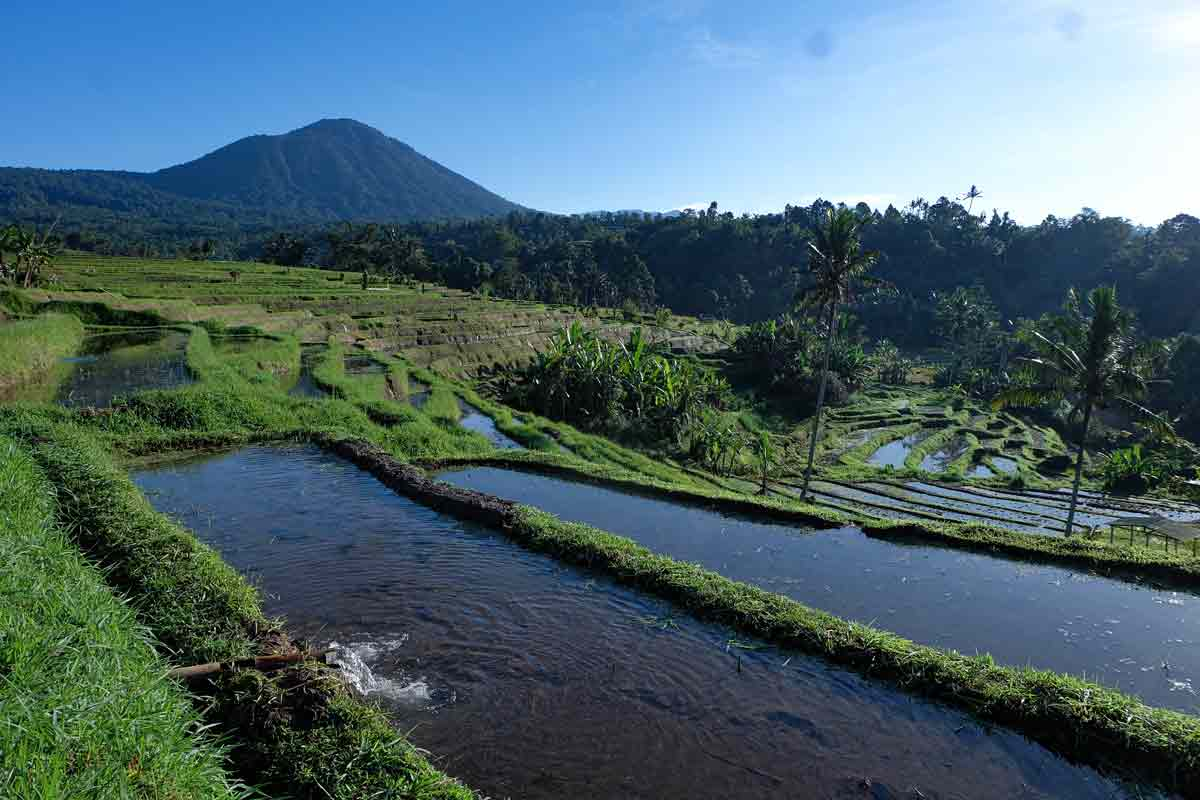
The Subak system isn’t just about getting water to the crops. It’s a crucial part of Balinese farming and cultural heritage.
This system is also regarded as one of Bali UNESCO sites. This system keeps the island green and full of rice and also shows how deeply connected the Balinese people are to their environment and their spirituality.
Subak: The Lifeline for Bali’s Rice Farmers
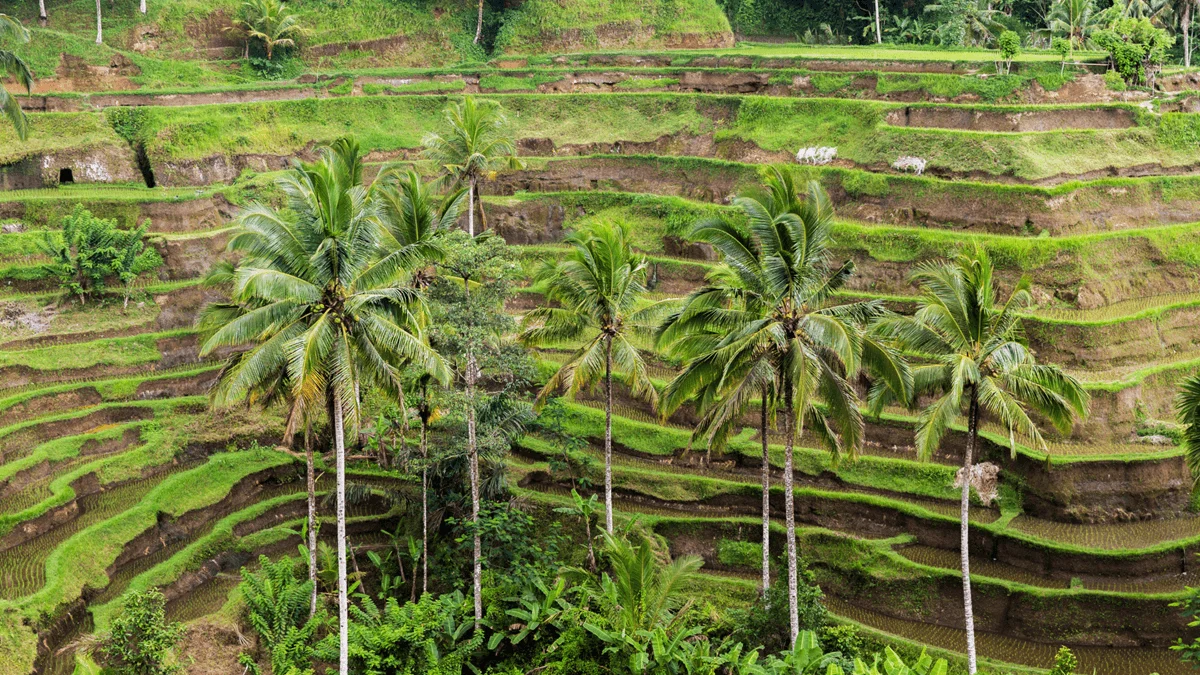
Rice is a staple in Indonesia, and Bali is one of the top rice-growing areas in the country.
Every 28th Wednesday in the Balinese calendar is a special day dedicated to Dewi Sri, the Goddess of Rice & Fertility.
Elders teach the younger generation how to maintain the canals, perform the necessary rituals, and interpret natural signs.
This transfer of knowledge helps preserve Balinese culture and ensures that the Subak system continues to function effectively.
This is why, even with the hustle and bustle of urban life and tourist spots, Bali’s rice fields thrive, thanks to the Subak system and the divine blessings it is believed to bring.
Sacred Beliefs
In Bali, water is seen as a sacred gift from the gods. Water temples, considered holy places, are prominent in the Subak system.
These temples make sure the water is shared fairly and help coordinate when to plant and harvest.
Balinese farmers believe these temples act as go-betweens for them and the gods, ensuring everything flows smoothly.
How Bali Subak System Works
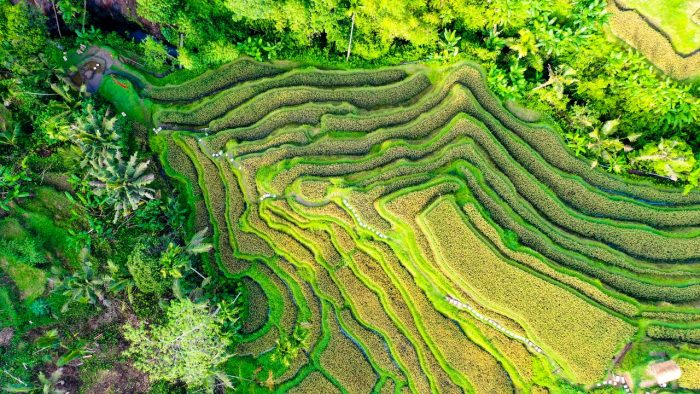
The Subak system is like a big puzzle with lots of pieces fitting together perfectly. It includes canals, tunnels, and terraced fields.
Water from rivers and springs is channeled through these canals to reach the rice paddies. A unique democratic system called “Subak Sanggah” ensures that every farmer gets their fair share of water.
Timing and teamwork are crucial. Water temple priests, known as “Pemangku,” perform rituals and offerings to keep the gods happy and bless the harvest.
These priests also watch natural signs, like how birds behave or how the stars move, to figure out the best times to plant and harvest.
Community and Culture
The Subak system is a way of life and a key part of Balinese identity. It creates a strong sense of community and shared responsibility among farmers.
This system promotes cooperation and harmony among neighboring villages also, strengthening the Balinese people’s bond with nature and each other.
Temples Important for Subak
Pura Taman Ayun
Located in Mengwi, this temple is one of the most important water temples. Built in the 17th century, it served as the royal family’s temple and holds great cultural significance.
Pura Ulun Danu Batur
Situated on the shores of Lake Batur, this temple is dedicated to Dewi Danu, the goddess of lakes and rivers. It also plays a vital role in managing the water supply for the nearby rice terraces.
Pura Ulun Danu Bratan
Located on the shores of Lake Bratan in Bedugul, this iconic temple is a popular tourist spot. It’s dedicated to Dewi Danu and is famous for its stunning location, serene lake, and lush greenery.
Keeping the Tradition Alive
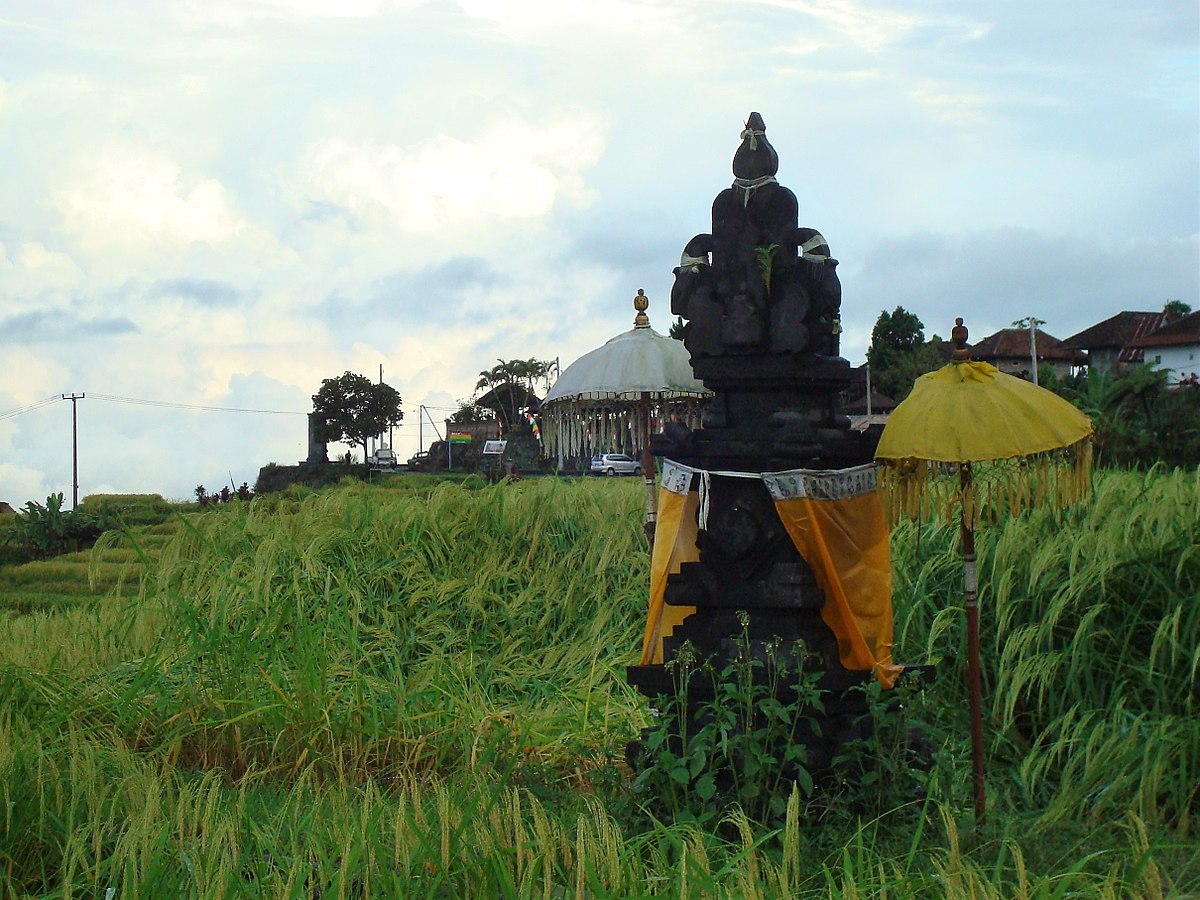
The ancient irrigation system—the Subak system is still preserved beautifully and showcases the Balinese people’s dedication to their cultural heritage and sustainable farming practices.
Everyone has a role to play, from the youngest children learning about their heritage to the elders passing down their knowledge and experience.
Schools often include lessons about Subak in their curriculum, ensuring that the next generation understands and values this important tradition.
Apart from that, it is one of Bali UNESCO sites, which is also an important reason to preserve this place and tradition to attract good footfall to tourists.
It’s evidence of Bali’s healthy relationship with nature and its deep-rooted religious beliefs, making it a unique and vital part of the island.
Conclusion:
This was all about the Subak System of Bali. it is not just an irrigation method, it represents the whole culture and beliefs of Balinese people. It’s a shining example of the preservation of culture and religious beliefs.


