

When you think about top-tier tire shops and trusted names in automotive care, Big O Tires often comes to mind. Whether you’re looking for high performance, all-season dependability, or simply a shop that offers great service, the name carries weight. In this article, I’ll walk you through what makes this brand stand out, how to choose the right tires there, and what to expect when you walk into one of their stores. By the end, you’ll have a clear picture and useful tips to make smart decisions.
Big O Tires: History, Brand Identity, and Reputation
From humble beginnings to a network of locations across the country, Big O Tires has carved its place in the tire and auto service industry. The brand began decades ago, with a vision to serve local communities with honest, expert service and to make tire buying less intimidating. Over time, through consistent performance and customer care, it has built a reputation for reliability.
What sets this brand apart is its dual focus: selling quality tires and offering full automotive services. Many people think of tire shops as places where you drive in, change your tires, and leave—but this company often handles alignments, brakes, suspension, and more. That integrated model gives them a competitive edge, because customers often prefer a one-stop shop rather than bouncing between specialists.
Another part of their brand identity is transparency. They tend to emphasize thorough inspections, clear explanations, and no-pressure sales. Over the years, many customer reviews praise store staff for walking them through options without upselling unnecessary extras. All of this helps maintain their reputation as a trustworthy chain.
Big O Tires: Product Range and Technology
When you step into a store under this name, you’ll see a broad selection of tires: all-season, performance, touring, off-road, winter, and more. The goal is to cater to a wide spectrum of vehicles—from economy sedans to trucks and SUVs. They usually carry name-brand lines like Michelin, Continental, Goodyear, as well as value and specialty brands to meet different budgets and use cases.
But it’s not just about variety; it’s also about the latest technology. Many of the tires they offer incorporate advances in tread design, compounds, and noise reduction. For example, modern all-season models might incorporate silica blends to improve wet grip, or optimized block patterns to reduce road noise. Many of these specialty features come from the manufacturers, but Big O Tires ensures that customers can access them.
In addition, the staff are generally trained to explain those technologies. So if you wonder what “asymmetric tread” or “hydroplaning resistance” means, they should be able to break it down, helping you match features to your driving needs (e.g. commuting, highway, rain, snow). That kind of expertise is critical, because for many drivers, tires are seen as just rubber pieces—when in fact they significantly influence safety, handling, comfort, and efficiency.
Big O Tires: Shopping Tips, Warranties, and Cost Considerations
Buying from this chain or any reputable tire shop should be smart and strategic. First, bring in your current tire size (found on your sidewall) or your vehicle specs. The staff can help narrow compatible options. Don’t pick the cheapest blindly—consider how you drive (city vs highway), road conditions, and longevity.
Always ask about warranties: treadwear guarantees, road hazard protection, and the terms of free rotations or balance checks. Many stores under this brand offer lifetime or multi-year free rotations, which add real value. Be sure to read the fine print: how many rotations, what intervals, and whether you must purchase the sets there.
Also consider bundling services: sometimes combining alignment, balancing, and tire purchase yields discounts. But don’t let add-ons inflate the bill—ask for itemized quotes and decline what you don’t need.
Finally, cost is more than sticker price. A slightly more expensive, better performing tire can last you longer and save gas, making it more economical long term. Use total cost of ownership thinking. Once you buy, keep track of the receipts and the service you get. That documentation is helpful for warranty claims down the line.
When You Visit a Store: What to Expect
Walking into their shop, you should expect a friendly greeting and a quick inspection. Most locations start with a free check: air pressure, tread depth, alignment cursory glance. Then the staff may make recommendations based on what they see.
They’ll show you several tire options, ranging in price tiers, and explain each one’s pros and cons. They should explain warranty coverage, estimated mileage, traction rating, noise levels, and whether the tires match your driving style. If they don’t, ask—good shops welcome questions.
Once you pick, they’ll schedule installation, which includes mounting, balancing, possibly alignment, and final inspection. Watch if the team cleans rims, checks torque once the weight is on, and does a test air check. A sign of quality service is a post-installation walkaround with the technician explaining what was done and pointing out key maintenance tips.
Maintenance Advice and Maximizing Your Investment
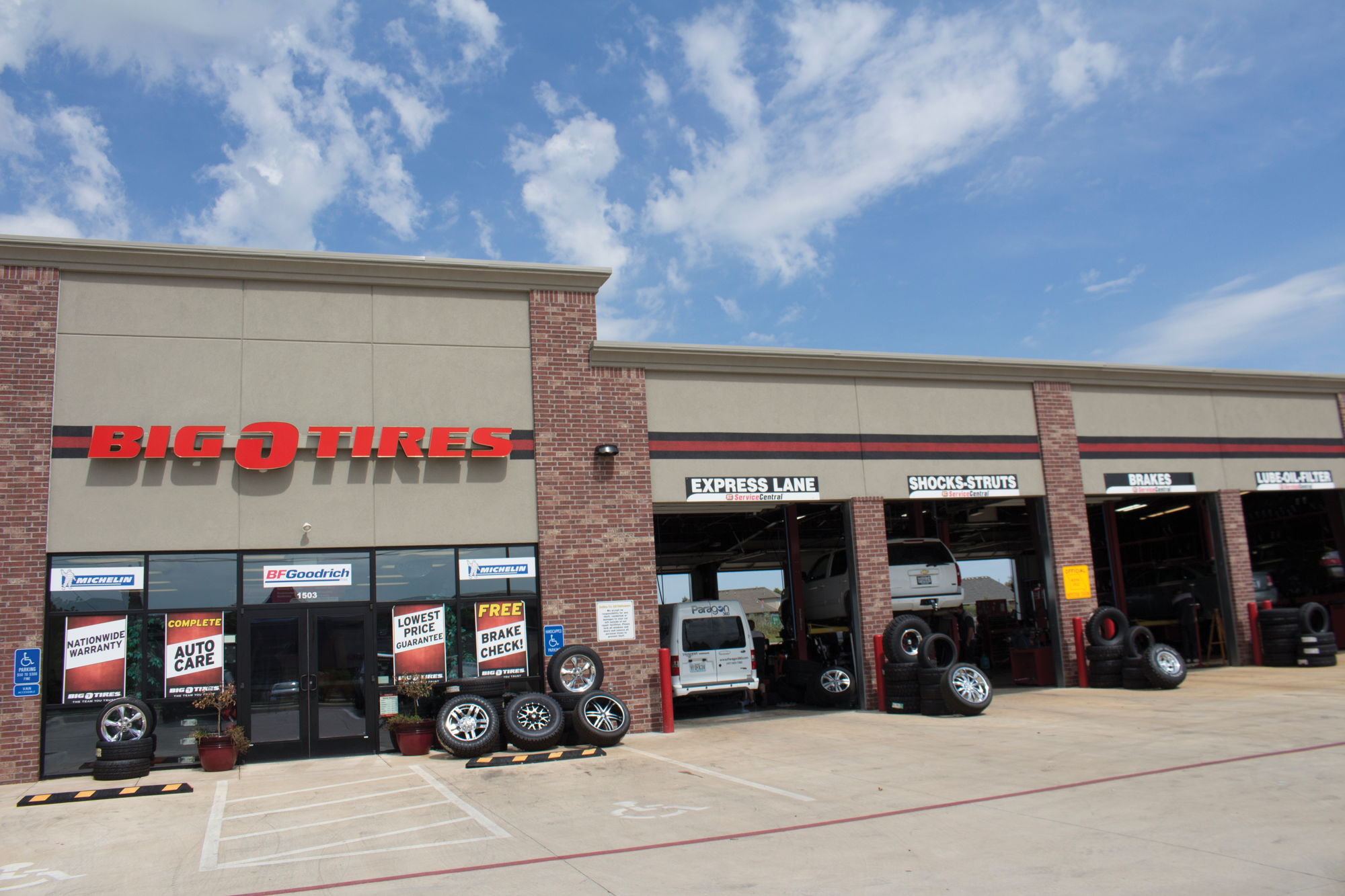
After installation, your work begins—simple habits make a big difference. Rotate your tires as recommended (often every 5,000 to 7,500 miles), check air pressure monthly, and do regular visual inspections for cuts, bulges, or punctures.
Avoid harsh driving behaviors like aggressive cornering or constant heavy braking; those shorten tire life. Clean your tires occasionally to prevent buildup of grime that wears the rubber.
If your vehicle alignment drifts, tires wear unevenly, so have alignment checked annually or whenever you feel pulling will the steering. Early interventions save you from replacing sooner. The staff from the chain can help inspect suspension or shocks that may be causing abnormal wear.
In winter or rainy climates, watch for tread depth. Once you’re getting shallow grooves, grip and safety degrade rapidly. Replace before you reach dangerously low levels.
Comparing to Competitors
How does this brand fare versus local independent tire shops or big box retailers? The strength lies in branded standardization: consistent training, national warranty backing, and supply relationships. You know what to expect in many of their stores.
Independent shops often have lower overhead and may offer personalized service, but they may lack the inventory scale or consistent training. Big box retailers may win on price but sometimes lack depth in consultation or follow-up services. The chain strikes a balance: reasonably competitive prices plus service reliability.
If your location has multiple competitor options, request quotes from each and compare not just sticker price but service, warranty, and convenience. Sometimes paying a little more for peace of mind is worth it.
Customer Experience, Reviews, and Common Issues
Most customers praise staff friendliness, clarity, and prompt service. Many comment that they felt the staff explained rather than pushed. People like knowing their rotation is free and that they don’t feel surprised by hidden charges.
However, some issues crop up in reviews. Delays in getting stock of certain models, miscommunication on warranty terms, or occasionally a store that doesn’t keep up consistent service across locations. To reduce these risks, be sure to confirm staff statements in writing, keep your receipts, and verify warranty paperwork on the spot.
If ever you face a problem, such as a warranty claim, escalate respectfully, use documentation, and reference the chain’s corporate policy. Many complaints can be resolved with clear, calm communication.
Conclusion
If you’re in the market for new tires or full auto service, this chain is definitely one of the names to consider. They combine product variety, service infrastructure, and generally reliable warranty backing. But as with any purchase, you need to bring your attention to detail: ask questions, compare options, read the fine print, and maintain your investment. Do that, and you’ll drive safer, longer, and with confidence.