

When it comes to children’s health, parents often think about routine checkups with pediatricians, dental care, and vaccinations. But what sometimes gets overlooked is vision care. Clear vision and healthy eyes play a huge role in how children learn, play, and grow. This is where a pediatric ophthalmologist steps in.
A pediatric ophthalmologist is a medical doctor who specializes in diagnosing and treating eye conditions in infants, toddlers, and teenagers. They don’t just check vision—they look deeper into eye health, development, and possible disorders that may affect a child’s future. For parents, understanding the role of this specialist can make a world of difference in their child’s growth and confidence.
Pediatric Ophthalmologist and Their Unique Role in Child Eye Care
Unlike regular optometrists or general eye doctors, a pediatric ophthalmologist focuses solely on children. Kids’ eyes are different from adults’, not only in size but also in how they develop. From tracking how well the eyes work together to spotting early signs of conditions like strabismus (crossed eyes) or amblyopia (lazy eye), these specialists provide a level of care tailored to young patients.
Parents often notice small things—like a child squinting while watching TV or holding books too close. While these may look harmless, they can be early signs of bigger issues. A pediatric ophthalmologist knows how to make eye exams child-friendly, using special techniques to get accurate results even from toddlers who can’t yet describe what they see.
Why Choosing a Pediatric Ophthalmologist Matters for Early Detection
Early detection is the foundation of preventing long-term vision problems. Many eye conditions in children can be corrected more easily if caught early, while waiting too long can lead to permanent issues. This is where the expertise of a pediatric ophthalmologist becomes invaluable. They can identify concerns that may not be obvious to parents or teachers, such as depth perception problems or hidden eye misalignments.
For example, amblyopia is often treatable in young children, but once they reach a certain age, the window for correction starts closing. Regular visits to a pediatric ophthalmologist can ensure that subtle but serious conditions don’t go unnoticed. Parents who prioritize these checkups are giving their child the best chance at strong, lifelong vision.
Common Conditions a Pediatric Ophthalmologist Treats
Children can face a wide range of eye conditions, and each one requires specialized care. A pediatric ophthalmologist commonly manages refractive errors such as nearsightedness, farsightedness, or astigmatism. These conditions may sound minor, but they can interfere with school performance and daily activities if untreated.
More complex cases include strabismus, which is when the eyes don’t line up properly, and congenital cataracts, which some babies are born with. These issues can affect not just vision but also how the brain processes visual information. With early treatment and sometimes surgical intervention, a pediatric ophthalmologist can help restore normal vision development.
How a Pediatric Ophthalmologist Makes Exams Comfortable for Kids
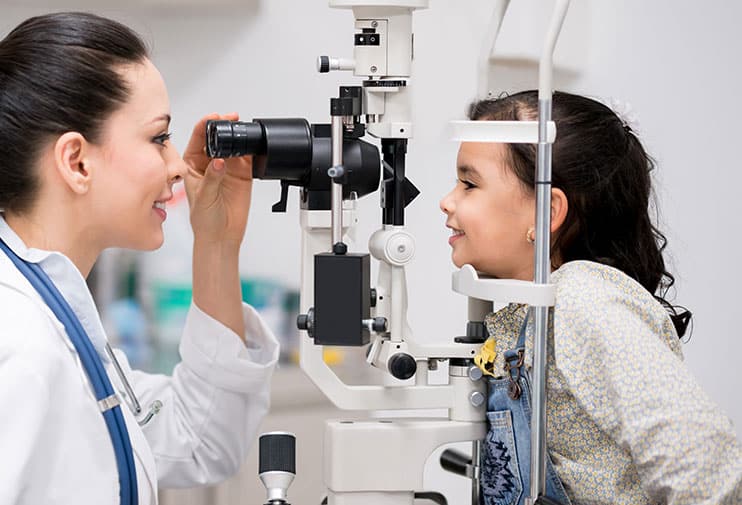
For many children, a trip to the doctor can be intimidating. A pediatric ophthalmologist knows this and designs their approach to be as stress-free as possible. Instead of relying only on charts and letters, they use fun tools like lights, toys, and illustrated boards to engage children during exams.
This kid-friendly approach ensures that even very young patients can be accurately assessed. By making the environment playful and supportive, a pediatric ophthalmologist can detect eye issues without making the child anxious. This positive experience also builds trust, making follow-up visits smoother.
Pediatric Ophthalmologist vs. General Eye Doctor
It’s easy to wonder why a child can’t just see a regular eye doctor. The truth is, while optometrists and general ophthalmologists can handle many vision issues, a pediatric ophthalmologist has extensive training in the specific challenges of children’s eye health. They undergo extra years of medical education focused solely on pediatric care.
This specialized knowledge allows them to not only diagnose conditions but also understand how eye problems affect a child’s development, learning, and daily interactions. Simply put, a pediatric ophthalmologist combines medical expertise with a deep understanding of how children see and grow.
When Should Parents Take Their Child to a Pediatric Ophthalmologist?
Parents often ask when the right time is to schedule an appointment. While routine screenings at school or the pediatrician’s office are helpful, they can miss deeper issues. A good rule of thumb is to book a visit if a child struggles with reading, squints often, complains of headaches, or has eyes that appear misaligned.
In addition, children with a family history of serious eye conditions should be evaluated early. Even if nothing seems wrong, having a pediatric ophthalmologist check vision during key developmental years can prevent future problems. For many families, an early consultation provides peace of mind.
Treatment Options Offered by a Pediatric Ophthalmologist
A pediatric ophthalmologist doesn’t rely on a one-size-fits-all approach. Treatments vary depending on the condition and the child’s age. For some kids, simple corrective lenses may be enough. Others may require eye patching to strengthen weaker eyes, vision therapy exercises, or even surgery for more complex issues.
The important thing is that treatment plans are customized. By blending medical science with a gentle, child-centered approach, a pediatric ophthalmologist ensures that care is effective without overwhelming young patients. This tailored strategy helps kids adapt more easily to the changes and supports their overall development.
Importance of Regular Checkups with a Pediatric Ophthalmologist
Much like dental cleanings or yearly physicals, regular eye checkups are an essential part of children’s healthcare. Vision plays a direct role in how kids perform academically and socially. A small issue left unchecked can quickly grow into something that affects reading skills, sports performance, and confidence.
Scheduling routine visits with a pediatric ophthalmologist helps catch these issues before they interfere with daily life. Even if a child has perfect vision today, changes can happen as they grow. Consistent monitoring ensures that their eyes remain healthy through each stage of development.
Pediatric Ophthalmologist: Building Healthy Vision for the Future
At the heart of it all, the goal of a pediatric ophthalmologist is to give children the best start in life. Vision is more than just seeing clearly—it’s about how kids interact with the world, how they learn, and how they build relationships. Clear eyesight helps boost confidence and allows children to reach their full potential.
Parents who prioritize their child’s eye health are investing not only in academic success but also in overall well-being. With the guidance of a pediatric ophthalmologist, children can enjoy a bright future filled with clear vision and endless possibilities.
Frequently Asked Questions about Pediatric Ophthalmologists
What age should my child first see a pediatric ophthalmologist?
Most experts recommend an initial check by age one, especially if there are risk factors or family history of eye conditions. Otherwise, a visit before starting school is a good benchmark.
How is a pediatric ophthalmologist different from an optometrist?
An optometrist mainly handles vision correction with glasses or contact lenses. A pediatric ophthalmologist, on the other hand, is a medical doctor trained to diagnose and treat medical and surgical eye problems in children.
Can vision problems affect learning?
Yes. Poor vision can impact reading, attention span, and classroom performance. Addressing eye health early can make a significant difference in a child’s educational journey.
Do all kids with crossed eyes need surgery?
Not always. Some cases of strabismus can be corrected with glasses or therapy. A pediatric ophthalmologist will decide the best approach depending on the severity.
How often should children get their eyes checked?
Routine checkups every year or two are recommended, but children with existing conditions may need more frequent visits.