
The mall of america shooting has become one of the most widely discussed incidents in recent years, raising tough questions about public safety in one of the largest shopping and entertainment complexes in the United States. Whenever a violent situation unfolds in a place that is supposed to feel safe, it leaves not just physical consequences but also emotional scars that linger for years.
People often associate the Mall of America with family outings, shopping sprees, and fun experiences. Yet, events like a shooting challenge that perception and remind us how quickly normal life can be disrupted. The conversation surrounding these incidents is more than just about one event—it reflects on broader societal concerns, the effectiveness of security measures, and the resilience of communities.
Mall of America Shooting and Its Immediate Effects
When news breaks about a mall of america shooting, the immediate reaction is always shock and confusion. Witnesses often describe the chaos of the moment—shoppers running, stores locking down, and families frantically trying to reunite. For those caught in the middle, even a few minutes can feel like an eternity. This instant disruption sends waves of fear through a place that is supposed to be filled with laughter and normal activity.
The ripple effect continues far beyond the mall’s walls. News outlets cover the story around the clock, social media fills with live updates, and concerned family members rush to get in touch with loved ones. Within hours, the incident shifts from a local emergency to a national conversation about safety in public gathering spaces.
Mall of America Shooting and Security Concerns
A mall of america shooting doesn’t just affect victims—it also forces serious discussions about security protocols. Many people wonder whether enough preventive measures were in place and if anything more could have been done. Security teams at such massive complexes face the daunting task of balancing guest convenience with strict protection.
Metal detectors, increased surveillance, and visible patrols have all been proposed or implemented in response. Yet, every new measure invites debate. Some visitors feel reassured, while others worry about the mall losing its family-friendly, welcoming environment. Security at a facility this large requires constant innovation and adjustment, especially when facing ever-changing threats.
Public Perception After a Mall of America Shooting
Once the immediate crisis subsides, public perception becomes a central issue. Shoppers begin to weigh whether returning to the mall feels safe. Some people avoid the location altogether for a while, while others trust that increased security will protect them in the future. The idea of safety is as much about psychology as it is about actual protective measures.
The Mall of America represents more than just a retail hub—it’s a cultural landmark. When something tragic occurs, it challenges the symbolic role of the space. However, time often heals public fear. As the mall reopens and community members return, the sense of normalcy gradually rebuilds, though the memory of the shooting never truly fades.
Law Enforcement and the Mall of America Shooting
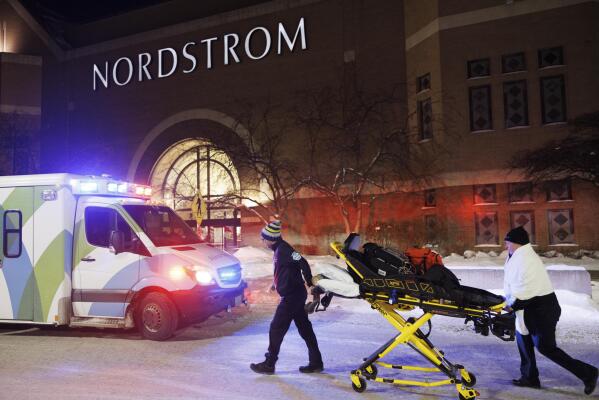
Local law enforcement always plays a critical role when incidents like the mall of america shooting unfold. Their rapid response can be the difference between life and death. Coordinated action with mall security teams ensures that the threat is neutralized as quickly as possible. Over the years, police departments have refined their response tactics, learning from past events and applying those lessons to future training.
After such a crisis, detailed investigations follow. Authorities review camera footage, witness statements, and even examine social media activity related to the event. These efforts not only help bring justice but also assist in creating updated strategies for preventing similar incidents in the future.
Community Healing in the Aftermath
For the local community, healing after a shooting is a long and layered process. Residents often gather for vigils, share memories, and extend support to those directly affected. The Mall of America is not just a shopping center—it’s a gathering place for people from all walks of life. When violence occurs there, it feels deeply personal to the entire region.
Mental health support becomes critical. Survivors and even witnesses may face lingering trauma, needing counseling or therapy to process what happened. Communities that address these emotional needs directly tend to recover more quickly and show greater resilience against fear in the future.
The Broader Conversation Around Gun Violence
Every time a major shooting occurs, it reignites the broader national conversation around gun violence. The mall of america shooting is no exception. Political leaders, advocacy groups, and everyday citizens debate what policies might reduce the likelihood of similar events. Some push for stricter regulations, while others argue for enhanced security measures rather than legislative changes.
The debate is often divisive, but what’s undeniable is that shootings in public spaces shake people’s confidence in their safety. Whether the conversation leads to new policies or not, the incident itself becomes part of a larger tapestry of discussions about how to balance rights, freedoms, and safety in a modern society.
Media’s Role in Covering the Incident
When a mall of america shooting hits headlines, the media’s role is significant. On one hand, timely reporting keeps the public informed about ongoing risks and developments. On the other hand, sensational coverage can sometimes add to the fear. News outlets walk a fine line between informing the public and unintentionally amplifying panic.
Responsible reporting focuses on verified facts, avoids speculation, and highlights ways for the public to stay safe. Many experts encourage the media to also shed light on community resilience and recovery efforts, rather than solely emphasizing the violence itself. This balanced approach helps communities process the incident without living in constant fear.
Businesses and Economic Consequences
When violence interrupts daily life at a commercial hub, businesses inside the mall face major setbacks. The mall of america shooting often forces temporary closures, which directly impacts revenue. Smaller shops in particular may struggle to bounce back quickly after losing even a few days of sales.
Beyond immediate losses, long-term economic effects can also emerge. Some potential visitors may delay their trips, especially those traveling from out of town. Since the Mall of America draws millions of tourists each year, maintaining its image as a safe destination is crucial not only for the businesses inside but also for the local economy as a whole.
Long-Term Safety Measures and Adaptation
Each incident pushes the mall to adapt further. The mall of america shooting becomes a case study for security upgrades, from surveillance technology to staff training. Over time, these adaptations create a stronger safety net, even if they cannot guarantee total prevention.
Community members also play a role. Public awareness campaigns and training for recognizing suspicious behavior empower everyday visitors to contribute to safety. A shared sense of responsibility between officials and the public helps restore trust in large spaces like this one.
Conclusion
The mall of america shooting is more than just a headline—it’s a reminder of the challenges faced by modern society in keeping public spaces safe. While the immediate aftermath is filled with fear and uncertainty, communities have consistently shown resilience in moving forward. Security, law enforcement, media responsibility, and community healing all play vital roles in shaping the path toward recovery.