
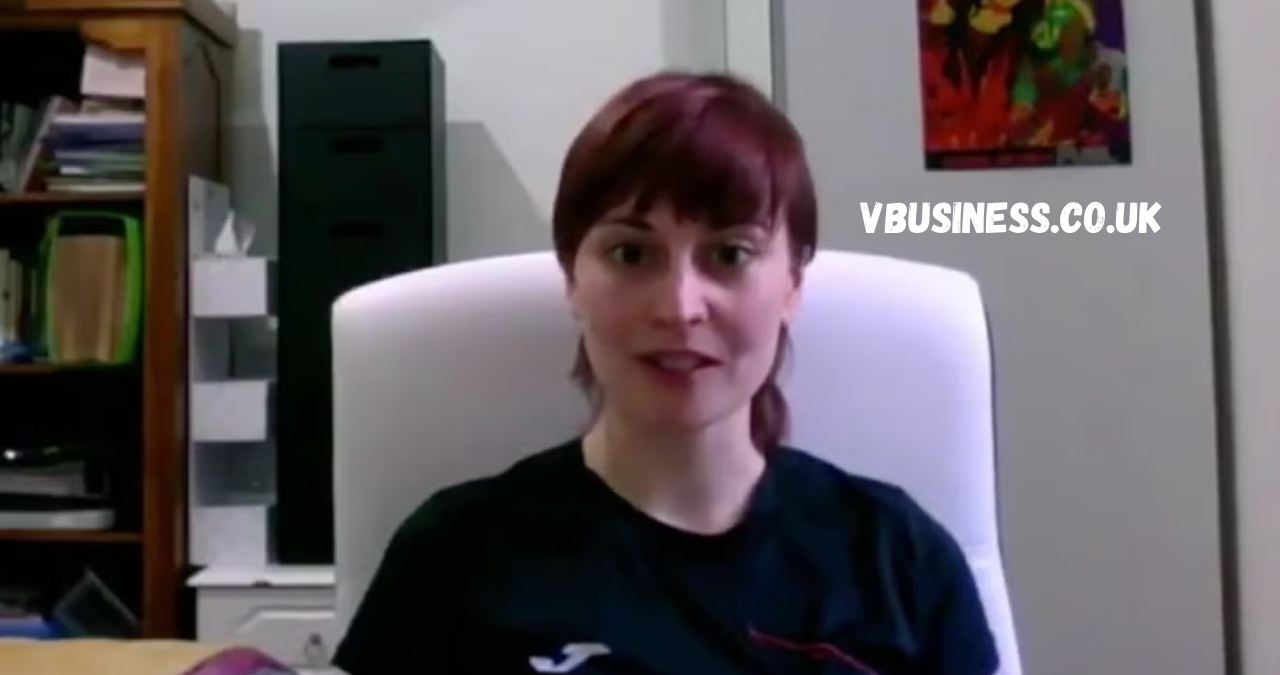
Yvette Amos is a name that caught many by surprise when a seemingly ordinary TV interview turned into one of the most talked-about viral moments online. She appeared as a guest on BBC Wales, speaking about her experience with job loss during the pandemic. While her message was genuine and emotional, something unexpected in her background stole the spotlight.
That incident catapulted Yvette Amos into a sudden wave of attention. What makes her story intriguing is not only the viral clip itself but the way she handled the situation — calmly, gracefully, and without exaggeration. In a world where viral fame often leads to chaos, Yvette Amos showed a rare balance of humor and composure that resonated with people across the globe.
Who Is Yvette Amos and How Did She Rise to Attention?
Before her television appearance, Yvette Amos was just another private individual living her everyday life in Wales. She wasn’t a celebrity or media personality, and there wasn’t much known about her background publicly. Her participation in a live BBC Wales segment was meant to highlight the realities of unemployment during the pandemic, giving voice to everyday people affected by economic hardship.
However, what was supposed to be a serious and heartfelt discussion quickly took a different turn. Viewers noticed something unusual sitting on the shelf behind her during the broadcast. That small, seemingly trivial detail changed the entire conversation, transforming a local TV appearance into an international viral phenomenon.
The Interview and the Infamous Background Moment
During the interview, Yvette Amos spoke with sincerity about the challenges of job hunting and coping with lockdown stress. Yet, the internet had its eyes elsewhere — specifically, on the background of her camera frame. On a shelf behind her, an item resembling an adult toy could be seen next to books and board games. Within minutes, sharp-eyed viewers took screenshots, shared them online, and the clip spread like wildfire.
The situation quickly became the subject of memes, jokes, and countless reactions on social media. While some people found it hilarious, others felt empathy for Yvette Amos, understanding how easily such accidents could happen in an era of home-based video calls. What stood out was her professionalism — she continued the conversation without noticing the commotion she had unintentionally started. That composure, ironically, made her even more admired.
The Aftermath: Public Reaction, Memes, and Online Fame
The internet wasted no time turning Yvette Amos into a meme sensation. Her name trended for days as people shared humorous captions and memes inspired by her interview background. The reactions ranged from lighthearted amusement to full-on viral commentary. For many, it was a much-needed moment of comic relief during a stressful year.
What made the situation even more fascinating was how people humanized her rather than ridiculed her. Many social media users expressed support, pointing out that almost everyone had faced awkward or embarrassing Zoom moments at some point. In that sense, Yvette Amos became a relatable figure — someone who experienced an unfortunate but funny moment in front of millions and handled it with grace.
What It Reveals: Vulnerability, Humor, and the Modern Media Age
The viral story of Yvette Amos is more than just a funny clip. It reveals the blurred line between our private and public lives. With so many people working and communicating from home, our living rooms, bedrooms, and shelves have become part of our public persona. The smallest detail can suddenly turn into a headline.
Yvette Amos’ experience also highlights how unpredictable internet fame can be. She wasn’t seeking attention or publicity; she simply wanted to share her story. Yet, the internet chose a different narrative. Her calmness during the whole ordeal stood in sharp contrast to the chaos surrounding it, making her a symbol of composure amid online hysteria.
How Yvette Amos Handled the Spotlight

One of the most commendable things about Yvette Amos is how she managed her newfound fame. Many people in her position might have felt embarrassed or overwhelmed, but she didn’t allow the viral moment to define her. Instead, she carried on quietly, without capitalizing on or reacting dramatically to the attention.
Her silence and refusal to exploit the situation gave her control over the narrative. In a time when viral figures often chase fame, Yvette Amos’ decision to step back earned her respect. She demonstrated that sometimes, dignity lies in doing nothing — in simply letting the moment pass. That poise transformed her from the subject of jokes into someone admired for her authenticity.
The Broader Cultural Context: Zoom Errors and Meme Culture
Yvette Amos’ viral moment fits neatly into the wider trend of online “Zoom fails” — the unplanned, humorous mistakes that have become cultural milestones of the remote-work era. From pets wandering into serious interviews to kids interrupting live broadcasts, these incidents reveal our shared humanity.
The fascination with such moments isn’t just about laughter; it’s also about connection. They remind us that even in formal settings, people are human. The story of Yvette Amos became a part of this cultural fabric, symbolizing how even small, spontaneous slip-ups can capture global attention and spark collective amusement.
Lessons We Can Draw From Yvette Amos’ Story
Yvette Amos’ experience teaches several valuable lessons about media, composure, and the unpredictable nature of fame.
First, always be aware of your surroundings before going live or joining a video call. A quick scan of what’s visible behind you can prevent unexpected surprises.
Second, when something goes wrong, composure is your best defense. Yvette Amos’ calmness turned what could have been an embarrassing situation into something people respected.
Third, not every viral moment requires a reaction. In fact, silence can sometimes be the strongest statement. By not feeding the online frenzy, Yvette Amos preserved her dignity and privacy.
Lastly, her story is a reminder to laugh at life’s imperfections. Sometimes the most human thing we can do is to find humor in the unexpected.
The Symbolism Behind the Moment
At a deeper level, Yvette Amos’ moment resonates because it symbolizes how easily our personal lives merge with public perception. The shelf behind her became more than just furniture — it became a symbol of modern vulnerability. When we open our homes to cameras, we invite the world into spaces meant to be private.
Her story also sheds light on how quickly online audiences shift focus. Her message about unemployment was important and heartfelt, yet it was overshadowed by a single object in her background. That speaks volumes about modern media consumption, where entertainment often trumps empathy. Still, by staying composed, Yvette Amos managed to reclaim her narrative in her own quiet way.
Why People Still Remember Yvette Amos
Years after the incident, Yvette Amos remains a recognizable name in online culture. Her viral moment continues to be mentioned in lists of iconic live-TV blunders and video call mishaps. But it’s not just the humor that keeps her story alive — it’s the way she handled it.
People remember her because she turned what could have been humiliation into relatability. She represented everyone who’s ever made a mistake on camera, sent an accidental message, or had something unexpected happen during a work call. In short, she reminded us all that perfection is overrated, and authenticity is what really connects people.
Where Is Yvette Amos Today?
After the viral interview, Yvette Amos largely retreated from public life. There are no verified updates about her pursuing media opportunities or giving interviews about the event. This decision reinforces her image as someone who values privacy over publicity.
While details about her current life remain scarce, it’s likely she returned to her normal routine, continuing her career and personal life away from the spotlight. The fact that she didn’t try to capitalize on her fame makes her story even more refreshing. In an age of overexposure, choosing privacy is almost revolutionary.
The Psychology Behind the Viral Appeal
Psychologists often note that viral moments like Yvette Amos’ succeed because they blend humor, relatability, and surprise. People connect with situations that could easily happen to them. In her case, it wasn’t about scandal — it was about the absurd, unpredictable nature of life in front of a webcam.
Moreover, the fact that Yvette Amos wasn’t a celebrity made the story even more engaging. Audiences enjoy discovering “ordinary” people in extraordinary situations. Her unfiltered authenticity contrasted perfectly with the overly curated online world we’re used to seeing.
What the Media Can Learn from Yvette Amos
The Yvette Amos incident is also a learning moment for broadcasters and journalists. It demonstrates the power of visuals in shaping narratives. Despite the seriousness of her message, viewers focused on the unexpected element in her background — proving how easily visual distractions can shift attention.
For content creators, broadcasters, and anyone using video communication, her story reinforces the need for awareness, preparation, and mindfulness. It also serves as a reminder that while technology connects us, it also exposes us in ways we often underestimate.
Yvette Amos and the Power of Resilience
Resilience doesn’t always mean fighting back or making statements; sometimes it means staying still and letting the storm pass. Yvette Amos exemplified that perfectly. She didn’t react defensively or lash out at online jokes. She simply moved on.
That quiet resilience turned her into a symbol of strength and humility. It shows that how we respond to embarrassing or challenging moments often defines us more than the moments themselves. Yvette Amos’ story proves that even when things spiral beyond our control, dignity and grace are powerful shields.
Frequently Asked Questions
What was the object behind Yvette Amos in her interview?
The object on the shelf appeared to resemble an adult toy, though its exact nature was never officially confirmed. The ambiguity fueled online jokes and discussions but remains a mystery.
Did Yvette Amos ever comment on the viral moment?
No official public statement was made by her. She chose not to address the incident publicly, allowing it to fade naturally over time.
Was the moment intentional or an accident?
There’s no evidence suggesting it was intentional. All signs point to it being an unplanned and unfortunate coincidence — the kind of mistake that could happen to anyone.
Did the viral clip affect her negatively?
Not significantly. Most viewers took it in good humor and even expressed empathy. Her calm reaction helped shape the event as funny rather than damaging.
What can we learn from her experience?
The main lesson is to always stay calm under pressure. Mistakes happen, especially in virtual environments. What matters most is how you handle them afterward.


