
Starting a business is one of the most thrilling yet terrifying journeys you can undertake. If you are looking for a reliable UK business hub to kickstart your journey, chances are you already have a spark of an idea, a side hustle that is outgrowing your bedroom, or a burning desire to be your own boss.
The UK is one of the most entrepreneurial ecosystems in the world. However, the path from a blank piece of paper to a fully registered, profit-generating UK company is filled with legal jargon, tax acronyms, and strategic decisions that can make your head spin.
This comprehensive guide is designed to be your ultimate UK business hub resource. We will strip away the boring corporate fluff and give you a practical, step-by-step roadmap to setting up, managing, and scaling your business in the UK.
Choosing Your Business Structure: Sole Trader vs. Limited Company
Before you sell a single product or invoice your first client, you need to decide on your legal identity. In the UK, the two most common structures are sole trader and private limited company (Ltd.). Choosing the wrong one early on can affect your taxes, paperwork, and personal liability.
Sole Trader: The Lean, Simple Route
Being a sole trader means you are the business. You are self-employed, and there is no legal distinction between your personal assets and your business assets.
- The Pros: It is incredibly easy to set up. You register for self-assessment with the HMRC. The administrative burden is minimal, and all post-tax profits are yours to keep.
- The Cons: Unlimited Liability. If your business runs into debt or gets sued, your personal assets (like your car or house) are on the line.
Limited Company (Ltd): The Professional Shield
A limited company is a completely separate legal entity from you. It has its own directors and shareholders.
- The Pros: Limited Liability. Your personal assets are protected; you only risk what you invest in the company. It also looks more prestigious to corporate clients and investors.
- The Cons: Setting it up (incorporation) requires a small fee. You also have strict accounting duties, including filing annual accounts with Companies House and submitting corporation tax returns.
Comparison Table: At a Glance
| Feature | Sole Trader | Limited Company (Ltd) |
| Setup Speed | Instant (Register with HMRC) | 24-48 hours via Companies House |
| Personal Liability | Unlimited (High Risk) | Limited to shares (Low Risk) |
| Main Tax | Income Tax (up to 45%) | Corporation Tax (19% to 25%) |
| Public Privacy | High (Your details aren’t public) | Low (Director details are public) |
Navigating the UK Tax Maze Without Losing Your Mind
Taxation is the part of business ownership that scares people the most, but it doesn’t have to be a nightmare if you understand the core pillars of UK business tax.
Income Tax & Self Assessment (For Sole Traders)
If you operate as a sole trader, you must file a self-assessment tax return every year by January 31st. You pay income tax on your business profits after deducting allowable expenses. Remember, you don’t pay tax on the first £12,570 of your income thanks to the Personal Allowance.
Corporation Tax (For Limited Companies)
Limited companies do not pay income tax; they pay corporate tax on their profits. The rate ranges from 19% (for profits under £50,000) up to 25% (for profits over £250,000), with a tapered rate in between.
The VAT Threshold: The Hidden Trap
Value Added Tax (VAT) is a business tax charged on most goods and services.
Important Milestone: You must register for VAT if your business’s VAT-taxable turnover goes over £90,000 in a rolling 12-month period.
Once registered, you must add VAT (usually 20%) to your prices and submit quarterly VAT returns to HMRC using Making Tax Digital (MTD) compliant software.
Setting Up Your Business Financial Infrastructure
Mixing personal and business finances is the quickest way to trigger an HMRC audit and cause an administrative headache.
Why You Need a Dedicated Business Bank Account
If you run a limited company, a business bank account is a legal requirement because the money belongs to the company, not you. If you are a sole trader, it isn’t legally required, but it is highly recommended to keep your accounting clean.
The UK banking scene is currently split into two main choices:
- Traditional High Street Banks (Barclays, Lloyds, and NatWest): Great if you need in-person branch access, face-to-face business advice, or massive business loans. However, they often charge monthly maintenance fees and take longer to open.
- Challenger / Digital Banks (Monzo Business, Tide, Starling): Incredible for modern digital entrepreneurs. You can open an account via an app in 10 minutes; they usually have no monthly fees for basic accounts, and they integrate seamlessly with accounting software.
The Power of Automated Accounting
Don’t wait until April or January to look at your receipts. Invest in cloud accounting software like Xero, QuickBooks, or FreeAgent (which is free if you bank with NatWest or Mettle). Link your business bank account to the software so your transactions log automatically.
Local SEO and Marketing: Getting Your First UK Customers
You can have the most beautiful website and the best service in the world, but if nobody knows you exist, your business will fail. In the UK market, building local trust is everything, and that starts with smart search engine optimization.
The Power of Long-Tail Local Keywords
Competing for broad, generic terms like “Accounting Services” or “Business Marketing” is a losing battle for a new website. It is incredibly expensive, highly competitive, and dominated by multi-million-pound corporate giants.
Instead, the secret weapon for a new UK business hub is targeting low-difficulty, hyper-focused local phrases.
- Instead of targeting accounting services (High competition, low conversion rate)
- Target this instead: Affordable sole trader accountant in Birmingham (Low competition, highly targeted)
When you target a specific phrase like the Birmingham example, two incredible things happen. First, your Keyword Difficulty (KD) drops drastically, making it much easier to rank on the first page of Google. Second, the user intent is massive. Anyone searching for that exact phrase isn’t just browsing—they are a sole trader in Birmingham who is actively looking to hire an accountant right now.
Create dedicated, high-quality landing pages and blogs around these specific regional search queries to capture high-converting local traffic.
Claim Your Google Business Profile
If your business serves a specific geographic area, your Google Business Profile is your most valuable asset. It is completely free and places your business directly on Google Maps when locals search for your services. Ensure your address, phone number, and opening hours are 100% accurate.
Build Genuine UK Backlinks and Citations
To get your business website ranking well on Google UK, search engines need to see that local, reputable sites trust you.
- Get listed in reputable UK business directories like Yell, Thomson Local, and Scoot.
- Engage with regional business forums like UK Business Forums or regional business networks.
- Write valuable, non-spammy guest insights for niche UK business blogs.
Staying Compliant: Insurances and Legal Requirements
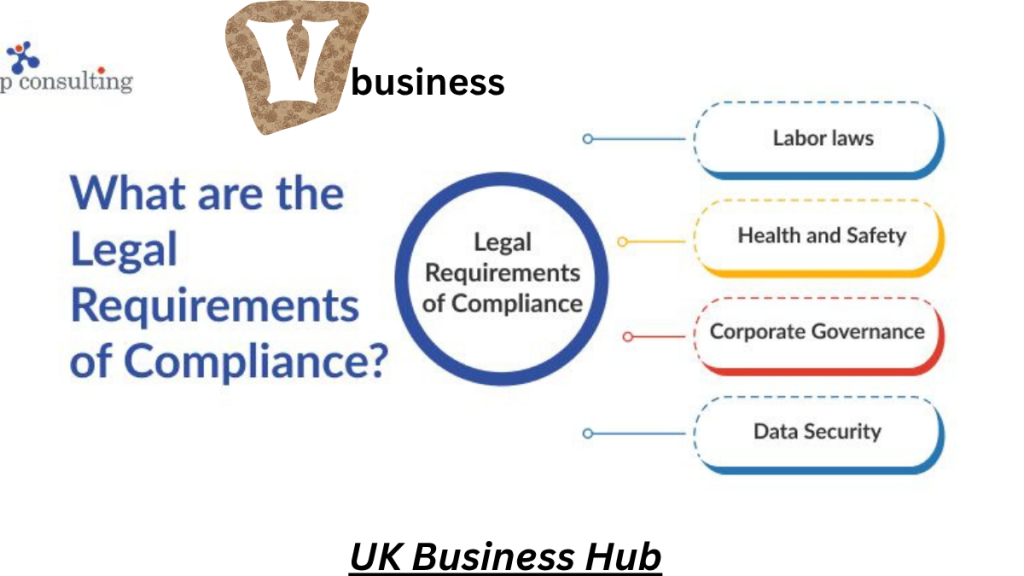
Depending on what your business does, you cannot simply open your doors without safeguarding yourself and your customers.
Essential Business Insurance Types
- Employers’ Liability Insurance: If you employ anyone (even casual or part-time staff), this is legally mandatory in the UK. Failing to have it can result in a fine of £2,500 per day.
- Public Liability Insurance: Highly recommended if clients visit you or if you work on-site at client properties. It covers costs if someone is injured or their property is damaged because of your business.
- Professional Indemnity Insurance: Crucial for consultants, freelancers, and agencies. It protects you if a client claims that your advice, design, or service caused them a financial loss.
Data Protection & GDPR
If you collect names, emails, phone numbers, or addresses of UK citizens, you must comply with the UK GDPR (General Data Protection Regulation). This means having a clear Privacy Policy on your website, securing data properly, and potentially paying a small data protection fee to the Information Commissioner’s Office (ICO).
Conclusion: Take Action Today
Building a successful UK business hub isn’t about knowing everything from day one. It is about taking consistent, legally sound steps and adapting as you grow. Start by pinning down your legal structure, setting up a clean financial workflow, and targeting the low-hanging fruit in your local marketing space. The UK market rewards clarity, local trust, and professionalism.
You May Also Read: 1st Formations Review: Is It The Best UK Company Formation Service?