

Vbusiness, short for “virtual business,” is a type of business that operates mainly online without relying on a physical office or storefront. It uses digital tools, cloud technology, and internet-based communication to manage operations, serve customers, and generate revenue from anywhere in the world.
In simple terms, “Vbusiness Definition” refers to a modern business model where owners, employees, and customers connect virtually. From online stores to remote consulting services, virtual businesses are becoming increasingly popular because they offer flexibility, lower costs, and global opportunities.
The rise of remote work and digital platforms has made virtual business meaning more important than ever. Entrepreneurs can now start and run businesses with nothing more than a laptop, internet access, and the right online tools.
Key Features of a Virtual Business (Vbusiness)
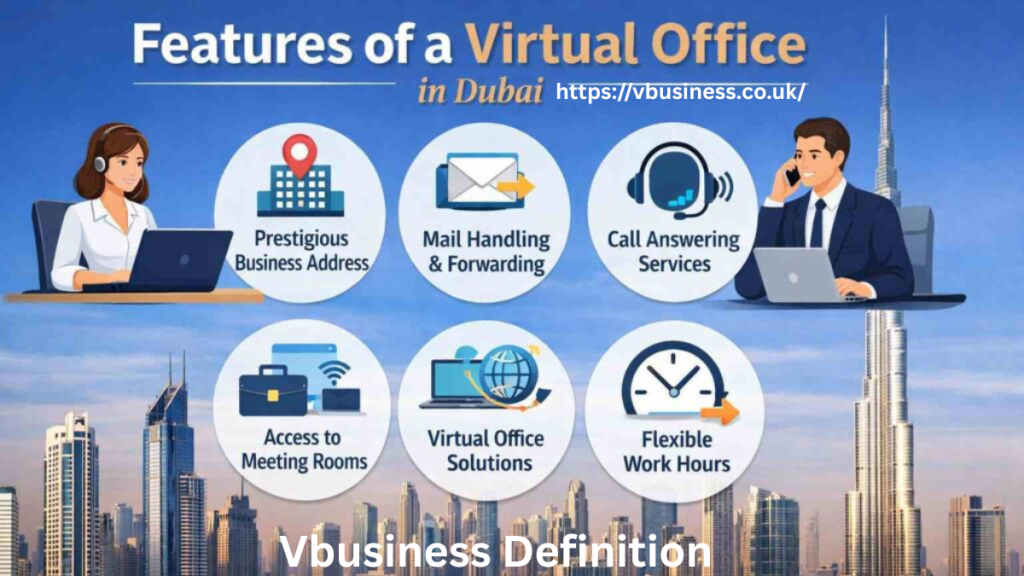
A virtual business operates differently from a traditional company. Instead of depending on physical locations, it relies on digital systems and remote collaboration.
Here are the main features of a virtual business:
- Remote Work Environment: Employees and business owners can work from home or any location with internet access. Communication usually happens through video calls, emails, and collaboration software.
- No Physical Office Needed Most virtual businesses do not require expensive office space, and this means operating costs are significantly reduced.
- Low Overhead Costs Startup and maintenance costs are much lower than traditional businesses as there is no need for office rent, furniture, or utility bills.
- Global Reach
A virtual business can serve customers worldwide. Businesses can market products and services online without geographic limitations. - Digital Communication and Tools Virtual businesses use online tools for project management, accounting, customer support, and marketing.
- Flexible Hiring Opportunities Firms can employ freelancers, remote workers, or virtual assistants from countries around the world, providing access to global talent.
These features explain why many startups and entrepreneurs are moving toward the virtual business model.
Popular Examples of VBusiness
There are many successful business examples across different industries. Some of the most common include:
E-commerce Stores
Online stores selling clothing, electronics, beauty products, or digital goods are classic examples of virtual businesses. Platforms like Shopify and Amazon make it easy for entrepreneurs to run online shops without owning a physical store.
Digital Marketing Agencies
Many marketing agencies operate fully online by offering SEO, content writing, social media management, and advertising services remotely.
SaaS Startups
Software-as-a-Service companies provide cloud-based software solutions that users can access online. These businesses often operate with remote teams and digital customer support.
Online Consulting Firms
Business consultants, coaches, accountants, and legal advisors can now offer services through video calls and digital platforms.
Freelance Service Platforms
Graphic designers, developers, writers, and virtual assistants often create online-based businesses where all communication and work delivery happen digitally.
These business examples illustrate the model’s flexibility and scalability for today’s entrepreneurs.
Vbusiness vs. Traditional Business
Although both models aim to generate profit, there are several important differences between a virtual business and a traditional business.
| Feature | Vbusiness (Virtual Business) | Traditional Business |
| Office Space | Operates online with little or no physical office | Requires physical office or storefront |
| Setup Cost | Lower startup expenses | Higher setup and maintenance costs |
| Hiring Flexibility | Can hire remote workers globally | Usually hires local employees |
| Business Reach | Global audience | Often limited to local markets |
| Working Style | Remote and flexible | Office-based operations |
| Scalability | Easier to scale digitally | Scaling often requires more physical investment |
For many startups and sole traders, virtual businesses provide a faster and more affordable path to growth.
Why V-Business is the Future for Sole Traders
The virtual business model is becoming the preferred option for sole traders and small entrepreneurs in the UK and USA. It offers flexibility, lower financial risk, and easier access to global customers.
A sole trader can start a virtual business with minimal investment by using social media, freelance platforms, or e-commerce websites. Instead of spending thousands on office rent or retail space, entrepreneurs can focus their budget on marketing and customer growth.
Another major advantage is scalability. A small virtual business can quickly expand by outsourcing tasks, automating processes, and hiring remote workers when demand increases.
With the advent of digital technology, online payments, and remote collaboration tools, it’s easier than ever to start a successful business from home.
Conclusion
Understanding the Vbusiness definition is essential in today’s digital economy. A virtual business operates online, reduces traditional business costs, and allows entrepreneurs to work flexibly while reaching customers worldwide.
From e-commerce stores and SaaS startups to online consulting services, virtual businesses continue to reshape how companies operate. For sole traders and beginners, this model provides a low-risk way to start and scale a business in the modern marketplace.
As technology continues to evolve, business is likely to stay one of the smartest and most accessible business models for future entrepreneurs.
You May Also Read: Sole Trader Accounting: A Practical Guide for UK Business Owners