
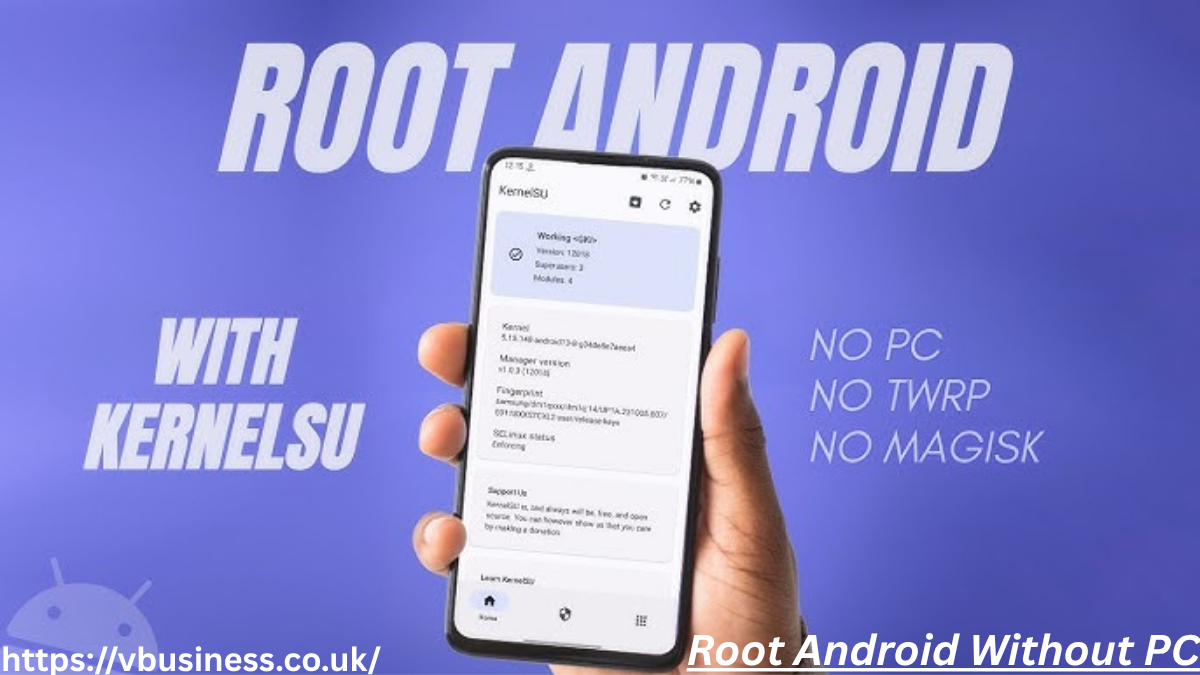
Have you ever felt frustrated because your Android phone has become painfully slow? Maybe it takes forever to open apps, or perhaps your device came packed with pre-installed applications that you never use but simply cannot remove. If that sounds familiar, you are definitely not alone.
Many Root Android Without PC users eventually look for ways to unlock the full potential of their devices. One of the most popular methods to achieve this is rooting. Rooting gives you superuser access, allowing you to customize your phone far beyond what the manufacturer intended.
Years ago, rooting an Android device always required a computer, complex USB debugging commands, and several technical tools. Today, things are much easier for certain devices. Thanks to modern one-click root APK solutions, some Android smartphones can be rooted directly from the phone itself.
That said, rooting is not a magic button. It comes with both advantages and serious risks. Before you start, it is important to understand exactly what rooting does, whether it is safe for your specific phone, and which methods actually work in 2026.
In this comprehensive guide, we will walk you through everything you need to know about how to root Android without a PC, including the safest tools, common troubleshooting fixes, and how to verify your root status.
Why Should You Root Your Android Device? (And the Risks Involved)
Rooting gives you administrator-level control over the Android operating system. Think of it as getting the master keys to every single room in your house instead of only having access to the living room.
Benefits of Rooting Android
- Remove Bloatware Android Apps: Many phones come with manufacturer apps (system apps) that cannot normally be uninstalled. Root access allows you to completely wipe these unwanted apps and free up valuable internal storage space.
- Complete Device Customization: Want a completely custom interface? Rooting lets you install advanced themes, custom fonts, system modifications, and deep UI customization tools that are blocked for standard users.
- Better Battery Optimization: Several advanced battery-saving applications require root permissions to control background processes. These apps can hibernate stubborn background tasks more aggressively than standard Android settings.
- Install Custom ROMs: Rooting often serves as the first step toward flashing custom ROMs or custom kernels. These modified Android versions can improve overall performance and extend the lifestyle of older hardware.
- Advanced Backup Features: Root-enabled backup tools (like Neo Backup) can save entire applications along with their deep settings and internal data configurations. This makes switching devices or restoring data effortless.
The Risks You Should Know
Before jumping into the installation process, it is highly crucial to understand the potential downsides:
- Warranty Issues: Almost all manufacturers will refuse warranty service if they detect that the software setup has been modified or rooted.
- Security Risks: Root access removes some built-in Android sandboxing protections. If a malicious or untrusted application gains root privileges, it can potentially access your personal data and cause severe damage.
- Bootloop Problems: An unsuccessful or interrupted root attempt may cause your phone to get stuck during startup. This stressful situation is commonly known as a bootloop.
- App Compatibility Issues: Modern banking apps, high-security wallets, and streaming platforms (like Netflix) use Google’s Play Integrity API. They may refuse to run entirely on rooted devices.
⚠️ A Quick Reality Check: Many users ask, “Is it safe to root Android?” The honest answer depends entirely on your specific device, your current Android version, and the tools you use. Rooting can be safe when performed carefully using trusted applications, but there is always some level of technical risk involved.
Crucial Checklist Before You Begin
Before attempting any root procedure, take a few minutes to prepare your phone properly. Skipping these steps can result in a soft-bricked device.
Backup Everything
Protect your important data before making any system-level changes. Make sure you back up your photos, videos, contacts, documents, WhatsApp chats, and general app data to a cloud service or external drive. If something goes wrong, you will be glad you secured this backup first.
Charge Your Battery
A phone shutting down mid-process during a root attempt can corrupt the system partition. Aim for at least a 70% battery minimum, though 100% is always preferred for safety.
Enable Unknown Sources
Since you will be installing APK files directly outside the official Google Play Store, Android will block the installation by default. Navigate to Settings → Security → Install Unknown Apps (or Special App Access) and grant permission to your chosen web browser.
Check Your Android Version (2026 Update)
This step is extremely critical. One-click root APK apps like KingoRoot and Framaroot rely on system exploits.
- Android 6 to Android 9: These versions have the highest success rates with one-click APK tools.
- Android 10 to Android 12: Results are highly mixed; you might need multiple attempts or specific app versions.
- Android 13, 14, 15, and 16: Traditional one-click APKs rarely work on modern Android setups due to advanced features like Read-Only System Files (EROFs) and hardware-backed security. For modern versions, a PC with Magisk is usually mandatory.
Top Apps to Root Android Without a PC (Step-by-Step)
Method 1: Using KingoRoot APK
KingoRoot remains one of the most recognized Android rooting software free solutions available online for legacy devices.
- Download the Official APK: Open your mobile browser, visit the official KingoRoot website, and download the latest mobile APK version. Avoid suspicious third-party download blogs or forums to protect your device from malware.
- Install the App: Locate the downloaded .apk file in your File Manager and tap it. Allow the installation prompt.
- Launch and Analyze: Open KingoRoot from your application drawer. The software will automatically analyze your specific device model and Android version.
- Trigger the Process: Tap on the prominent “One Click Root” button.
- Do Not Interrupt: Sit back and wait. During this stage, do not close the app, do not press the power button, and do not restart the phone manually. The app might reboot your phone automatically during the process.
Method 2: Using Framaroot
Framaroot became highly popular because of its clean interface and smart exploit selection feature.
Get Framaroot: Download the genuine Framaroot APK from a verified developer forum like XDA Developers.
Open and Select Superuser: Launch the app. You will see a dropdown menu. Select either Install SuperSU or Install Magisk (if available) from the list. SuperSU acts as the gatekeeper for root permissions.
Choose an Exploit: Framaroot will display a list of available exploits named after Lord of the Rings characters (like Boromir, Gandalf, or Aragorn) depending on your processor chipset. Tap on the first exploit.
Check Result: If a success message appears, restart your phone. If it fails, try the next exploit in the list.
Method 3: Using One Click Root
One Click Root offers another alternative for users looking for a straightforward, automated solution.
- Install the verified One Click Root APK onto your device.
- Open the application and tap on the “Check Availability” option to scan your hardware configuration.
- If your device is marked as compatible, simply tap “Root Device” to initiate the automated script.
- Once the process loading bar hits 100%, perform a manual device reboot to finalize the changes.
What to Do If the Root Fails?
Seeing a “Root Failed” message can be disappointing, but do not panic. The good news is that in most cases, a failed APK root attempt leaves your phone completely undamaged and perfectly usable.
Common Reasons for Failure:
- Your Android security patch level is too recent.
- Your device has a strictly locked bootloader that blocks exploits.
- The rooting application does not contain a compatible exploit for your processor (MediaTek, Snapdragon, Exynos).
- Your internet connection dropped during critical script execution.
Quick Fixes to Try:
- Restart and Retry: A simple system reboot clears active RAM cache and sometimes resolves temporary glitches.
- Try a Different APK: A smartphone rejected by KingoRoot might instantly work with Framaroot or KingRoot.
- Check for App Updates: Make sure you are using the most recent version of the rooting software.
How to Verify If Your Phone Is Successfully Rooted
After your phone reboots, you will want immediate confirmation to know if the root actually cleared.
[ Root Process Triggered ] ➔ [ Device Reboots ] ➔ [ Run Root Checker App ] ➔ [ Check Superuser Prompt ]
Install a Root Checker App
Go to the Google Play Store, search for “Root Checker” (developed by joeykrim is a great choice), and download the free app.
Run the Verification Test
Launch the Root Checker app and tap the “Verify Root” button. The app will immediately send a request for superuser access.
- If your screen pops up an access request window or displays a green message saying “Congratulations! Root access is properly installed,” your process was successful!
Root Android without PC Look for Superuser Access Managers
Check your app drawer for a new application named SuperSU, KingoUser, or Magisk. These tools act as permission managers; whenever a root-ready app tries to modify system files, these managers will ask for your manual permission first.
Final Thoughts
Rooting Android without a PC is absolutely still possible in 2026, especially if you are working with budget devices or older smartphones running legacy Android setups. Tools like KingoRoot and Framaroot offer exceptional, free entry points for beginners to learn the ropes of Android modification.
However, modern flagship phones require a bit more caution. Always remember to back up your vital data, keep your battery charged, and analyze your current Android version before running any automated exploits.
With the right choice, managing your company finances becomes effortless. Ready to find your perfect match? Explore The Ultimate Guide to Digital Banking UK: Best Business Accounts for 2026 today.